How to Prepare Your Driveway Before Your Roll-Off Dumpster Arrives
A loaded 20-yard container plus the truck that carries it can put more than 30,000 pounds on residential concrete, which is why driveway prep matters more than most homeowners expect. Before a Cumming GA roll-off dumpster arrives, the delivery driver needs roughly 60 feet of straight approach, about 10 to 12 feet of width, and 23 feet of overhead clearance to raise the hoist. Thirty minutes of preparation the evening before delivery prevents scraped gutters, cracked pavers, and the frustrating phone call that ends with a rescheduled drop.
What a Loaded Roll-Off Does to Asphalt and Concrete
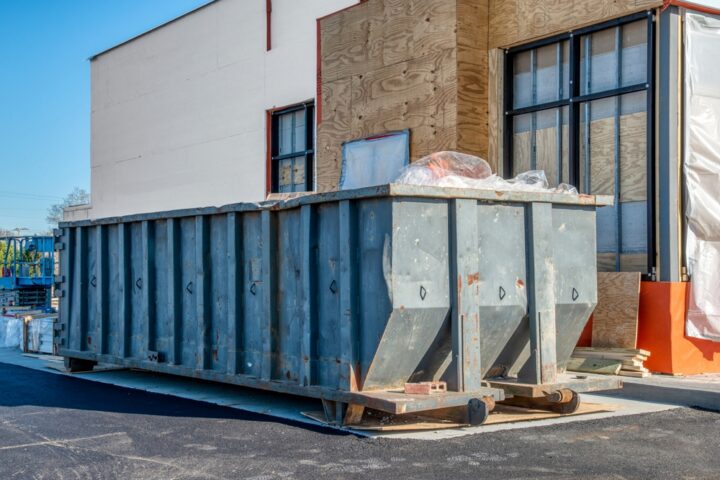
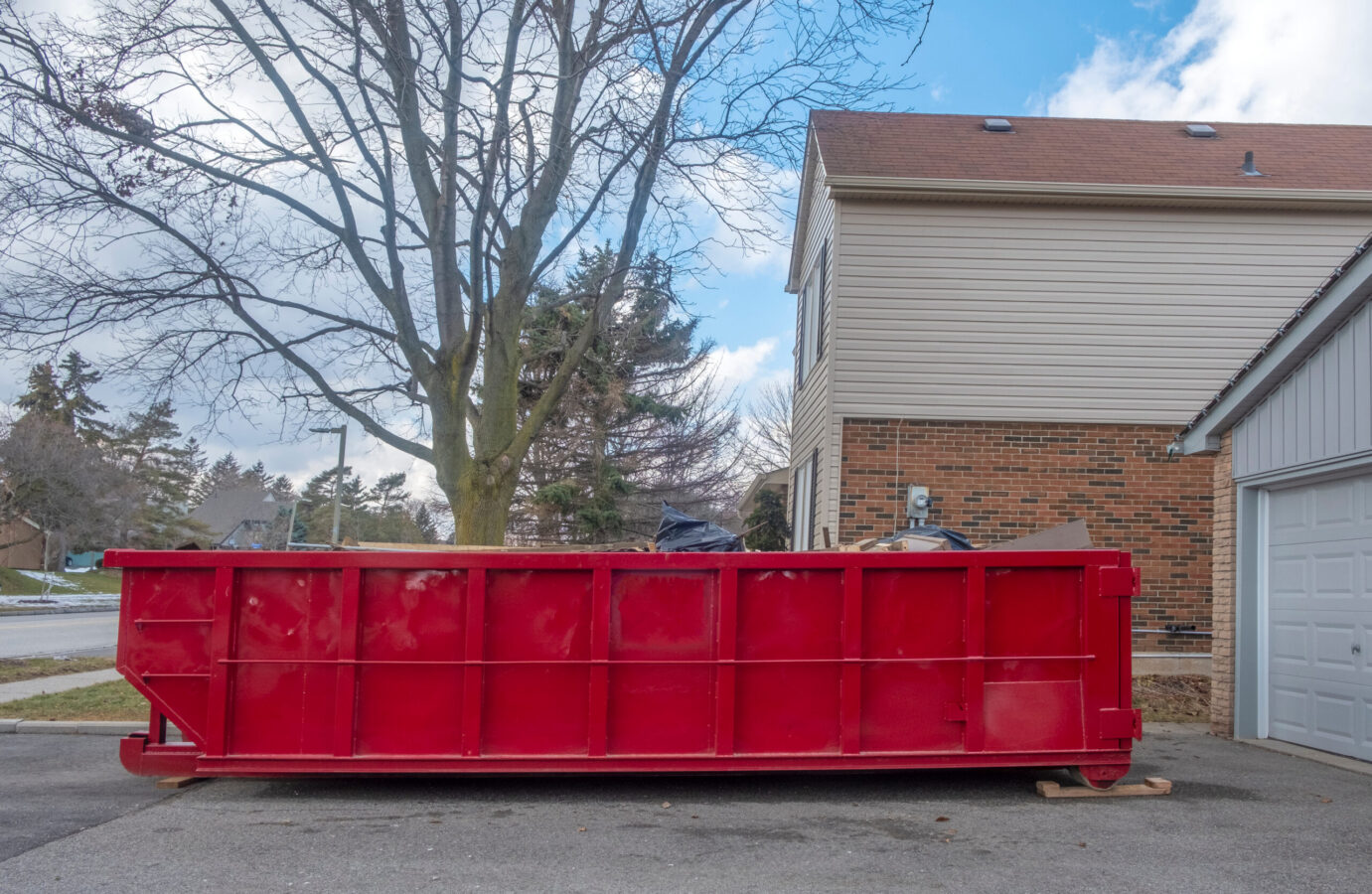
An empty 20-yard container weighs between 3,000 and 5,000 pounds by itself. Fill it with shingles, drywall, or bathroom tile and the total load easily reaches 6 to 10 tons, all of it resting on two narrow steel rails rather than spread across four tires.
Standard residential concrete in Forsyth County subdivisions runs about 4 inches thick at 3,000 to 4,000 psi, which handles the weight fine in most cases. Asphalt is the surface that deserves real caution. Georgia summer heat pushes dark pavement surface temperatures well past 130 degrees on a 95-degree afternoon, and warm asphalt deforms under concentrated point loads.
Driveways paved or sealcoated within the past 12 months are the highest risk. Fresh asphalt needs six to twelve months to cure fully before it should carry heavy equipment, and a sealcoat needs at least 30 days.
Measure the Approach Before Delivery Day
Walk the route the truck will take with a tape measure rather than eyeballing it. Most roll-off trucks are 30 to 35 feet long and need extra room behind the cab to tilt the bed and slide the container off.
- Length: plan on 55 to 60 feet of straight, level space measured from the street.
- Width: at least 10 feet, ideally 12, so mirrors clear mailboxes, retaining walls, and parked cars.
- Height: 23 feet of vertical clearance at the drop point, since the hoist arms rise well above the cab.
- Turning space: room to back in straight, because tight cul-de-sacs off Bethelview Road or Post Road often force a driver to approach from one direction only.
Low-hanging oak and pine limbs are the single most common obstruction in older neighborhoods near Sawnee Mountain. Trim anything below 24 feet over the drop zone, or mark an alternate placement spot the driver can use instead.
Clear the Drop Zone and Everything Around It
Vehicles are the obvious item, but the list runs longer than most people plan for. Move cars, trailers, and boats to the street the night before, because delivery windows commonly span 7:00 a.m. to 5:00 p.m. and drivers rarely call more than 20 minutes ahead.
- Basketball goals, trash bins, and potted plants along the driveway edge.
- Garden hoses, extension cords, and landscape lighting wires that steel rails will crush.
- Irrigation heads within 3 feet of either side of the planned footprint, flagged with marker stakes.
- Decorative gravel, river rock, or mulch that will scatter under a sliding container.
- Low fence gates and mailbox posts that sit inside the swing path.
Homes on septic systems deserve special attention, and that covers a large share of properties east of GA 400 toward Lake Lanier. Truck tires should never cross a drain field, since compaction at that depth can damage distribution lines that sit only 12 to 24 inches below grade.
Protect the Surface With Plywood or Planks
Laying boards under the container is the cheapest insurance available. Two sheets of 3/4-inch plywood, or four to six 2×10 planks cut to 4 feet, distribute the rail load across a much wider area and prevent both indentation and the black rub marks steel leaves on concrete.
Place the boards where the rear wheels of the container will land and where the front rails will come to rest, roughly 4 feet in from each end. Ask the delivery team where to set them if the exact geometry is unclear, since experienced drivers know the contact points on their own equipment.
Interlocking pavers and stamped decorative concrete are a different conversation entirely. Pavers shift and chip under point loads no matter how much plywood goes down, so a gravel pad, a level grass area, or street placement is usually the safer call.
Slope, Drainage, and North Georgia Weather
Forsyth County terrain rolls, and plenty of driveways in the 30040 and 30041 ZIP codes run at 8 to 12 percent grade. A container on a slope can roll or slide during loading, so drivers need level ground at the drop point and will often refuse a steep placement.
Rain adds its own complication. Saturated soil along the driveway edge collapses under truck tires, and a container set on wet grass after two days of spring storms leaves ruts 6 to 8 inches deep. Checking the forecast and shifting delivery by a day costs nothing compared to lawn repair.
Heat matters just as much between June and September. Scheduling a morning delivery when asphalt is still cool reduces the chance of leaving impressions in the surface.
When the Street Is the Better Option
Street placement solves the driveway question but introduces permits. Right-of-way placement inside city limits or in unincorporated areas typically requires authorization, and current requirements are published through Forsyth County and the City of Cumming. Approval commonly takes several business days, so start that process before booking a delivery date.
Homeowner associations add another layer. Many Cumming communities cap container placement at 7 to 14 days, require screening from the street, or prohibit street placement outright, and fines for violations frequently run $50 to $100 per day.
Your Pre-Delivery Checklist
- Confirm container size and the exact drop spot with the rental company 24 hours out.
- Measure length, width, and overhead clearance along the approach.
- Move every vehicle to the street the night before.
- Trim limbs below 24 feet and flag sprinkler heads.
- Lay plywood or planks at the rail contact points.
- Mark the drop zone with cones, chalk, or a bucket so the driver places it correctly the first time.
- Plan loading access on at least two sides, including the swing door end.
That last point gets overlooked constantly. Leaving 3 feet of walking room around the container and clear access to the rear barn doors makes loading heavy items dramatically easier, and the EPA reports that construction and demolition debris accounts for over 600 million tons of material annually, much of it heavy enough to demand a walk-in approach rather than lifting over the side.
Frequently Asked Questions
How Much Driveway Space Does a Roll-Off Dumpster Need?
Plan for 55 to 60 feet of straight length, 10 to 12 feet of width, and 23 feet of vertical clearance. A 20-yard container itself occupies about 22 feet by 8 feet, but the truck requires the additional room to tilt and slide the box into position safely.
Will a Dumpster Crack My Concrete Driveway?
Cracking is uncommon on sound 4-inch residential concrete, though hairline surface damage happens on older or thin slabs. Plywood sheets or 2×10 planks under the rails reduce the risk substantially and cost under $60 at any local hardware store.
Do I Need a Permit to Place a Dumpster in Cumming, GA?
No permit is required for placement entirely on private property, but street or right-of-way placement generally does require one. Verify current rules with the City of Cumming or Forsyth County before scheduling, since approval can take several business days.
Can a Roll-Off Container Sit on Grass or Gravel Instead?
Yes, provided the ground is level, dry, and firm enough to support 6 to 10 tons. Expect some rutting and grass die-off under the footprint, and postpone delivery after heavy rain, which is frequent during North Georgia springs.
What Should I Ask Rental Companies Before Booking?
Ask about weight limits, rental period length, prohibited items, and driveway protection practices. The dumpster rental companies Cumming homeowners return to will discuss placement specifics on the phone rather than simply confirming an address and a date.
Schedule Your Cumming Roll-Off Delivery
Speedy Dumps, Inc. delivers throughout Cumming and Forsyth County and will walk through placement, clearance, and driveway protection before the truck is ever dispatched. Contact our team with the project details and container size needed, and the delivery gets scheduled around your prep window