How to Load a Roll-Off Dumpster
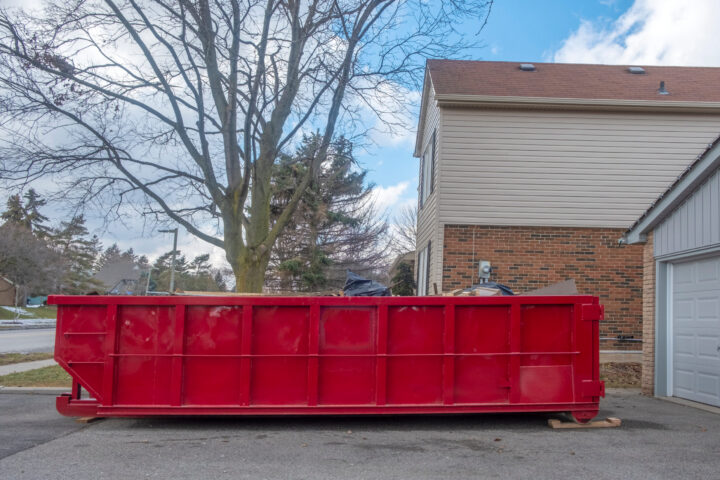
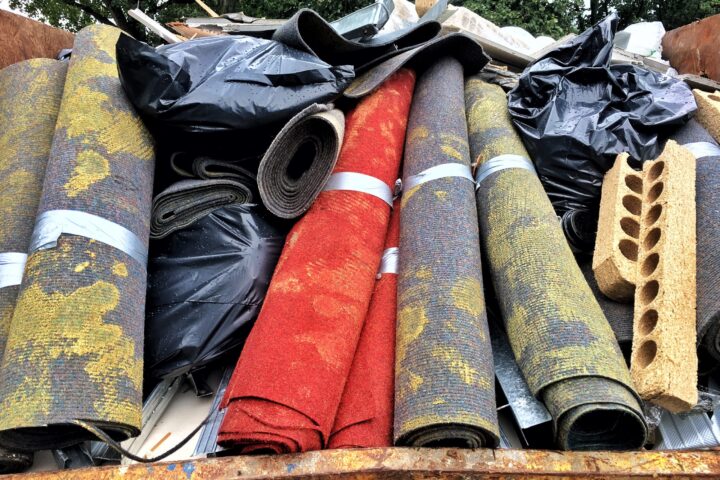
You’re standing in your driveway or on a job site, staring at a mountain of debris. Whether it’s the aftermath of a large-scale campus event, a shared student house renovation, or a long-overdue “purge” of a cluttered garage, the volume of waste can feel paralyzing. You’ve made the smart move by renting a roll-off dumpster, a clever solution for large-scale cleanup, but now you face the next challenge: how do you actually get all that junk inside efficiently?
Loading a dumpster might seem as simple as “toss it in and walk away,” but there is a science to it. If you approach it without a plan, you’ll end up with massive air pockets, a bin that’s full but only half-heavy, and potentially expensive overage fees or the need for a second rental.
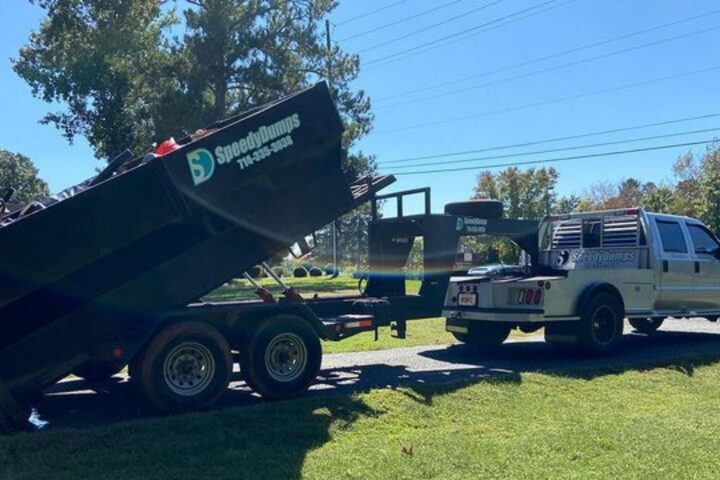
At Speedy Dumps, Inc., we want you to get the absolute most value out of your rental. This guide will walk you through the professional techniques for loading a dumpster like a pro, making sure you save space, stay safe, and finish your project faster.
Pre-Loading Prep: Set Yourself Up for Success
Even though you’re likely excited to start clearing the clutter, a little preparation will save you hours of frustration later. Think of this like studying for a final exam; you wouldn’t just open the book to a random page and hope for the best. You need a strategy.
Choosing the Right Tool for the Task
The most expensive mistake you can make is selecting the wrong container size. Roll-off dumpsters are measured in cubic yards, usually 10, 20, 30, or 40.
- The 10-Yard Option: This is the “weekend warrior” size. It’s perfect for clearing out a small bedroom or getting rid of a few heavy household items. In fact, a 10-yard dumpster in Milton is a local favorite because it offers plenty of space without hogging the entire driveway.
- The 15-Yard and 20-Yard Options: These are our most popular sizes for medium renovations, kitchen tear-outs, or complete apartment move-outs.
- The 30-Yard Option: These are for the “big leagues.” If you’re working with a crew on a massive cleanout project, these provide the depth needed for bulky furniture and construction debris.
Pro-Tip: Always err on the side of caution and go one size larger than you think you need. Overage fees for an overfilled container or the cost of a second “swap-out” rental are far higher than the price difference between sizes.
Know What You Can (and Can’t) Toss In
Not everything can go into the bin. For safety and environmental reasons, federal and local regulations (and the EPA) are very strict about “Prohibited Items.” If you toss these in, you might face heavy fines or be asked to remove them before the truck can take the load.
- Hazardous Liquids: This includes wet paint, motor oil, chemical solvents, and pesticides.
- Electronics (E-Waste): Items like old monitors or TVs contain heavy metals that can contaminate soil and water if crushed in a landfill.
- Specific Appliances: Refrigerators and AC units often contain Freon, which requires specialized disposal.
- Tires and Batteries: These are major fire hazards and environmental pollutants.
If you are ever in doubt, the team at Speedy Dumps, Inc. is always a phone call away to clarify our specific policies.
Gather Your Tools and Gear
Dumpster loading is a physically demanding, messy job. You wouldn’t walk into a chemistry lab without goggles, and you shouldn’t walk into a waste project without the right gear.
- Hand Protection: Buy a pair of heavy-duty, thick leather gloves. These shield your hands from mystery goo, sharp metal edges, and the inevitable splinters from old wood.
- Footwear: Wear sturdy, closed-toe boots. Canvas sneakers won’t protect your toes if a piece of lumber falls or if you step on a stray nail.
- Eye Protection: Safety glasses are essential. When you’re tossing items into a bin, dust, rust particles, and small debris can fly back toward your face.
- Mechanical Aids: A wheelbarrow or a simple furniture dolly can turn a two-person struggle into a one-person breeze.
If you don’t have the proper tools or gear reach out to the team at Speedy Dumps, Inc to get the job done for you.
The Smart Way: How to Load a Roll-Off Dumpster Like a Pro
Now for the main event. Effective dumpster loading is like assembling a real-world jigsaw puzzle. Your goal is to eliminate air gaps and create a dense, stable load. If your project is in Forsyth County, GA, finding a good rental is step one—loading it correctly is step two.
Step 1: Use the “Secret” Door
Almost every roll-off dumpster has a large swinging door on one end. This is a game-changer. Instead of trying to hoist a heavy sofa or a kitchen table over the high steel walls (which is a recipe for a back injury), open the door and walk the items directly into the bin.
Step 2: The Weight Distribution Rule
Proper weight distribution is critical for the safety of the truck driver. You should place your heaviest, bulkiest items at the front of the dumpster (the end closest to the truck’s cab). This keeps the center of gravity stable when the truck hooks the bin to pull it onto the bed.
Step 3: Create a Flat Foundation
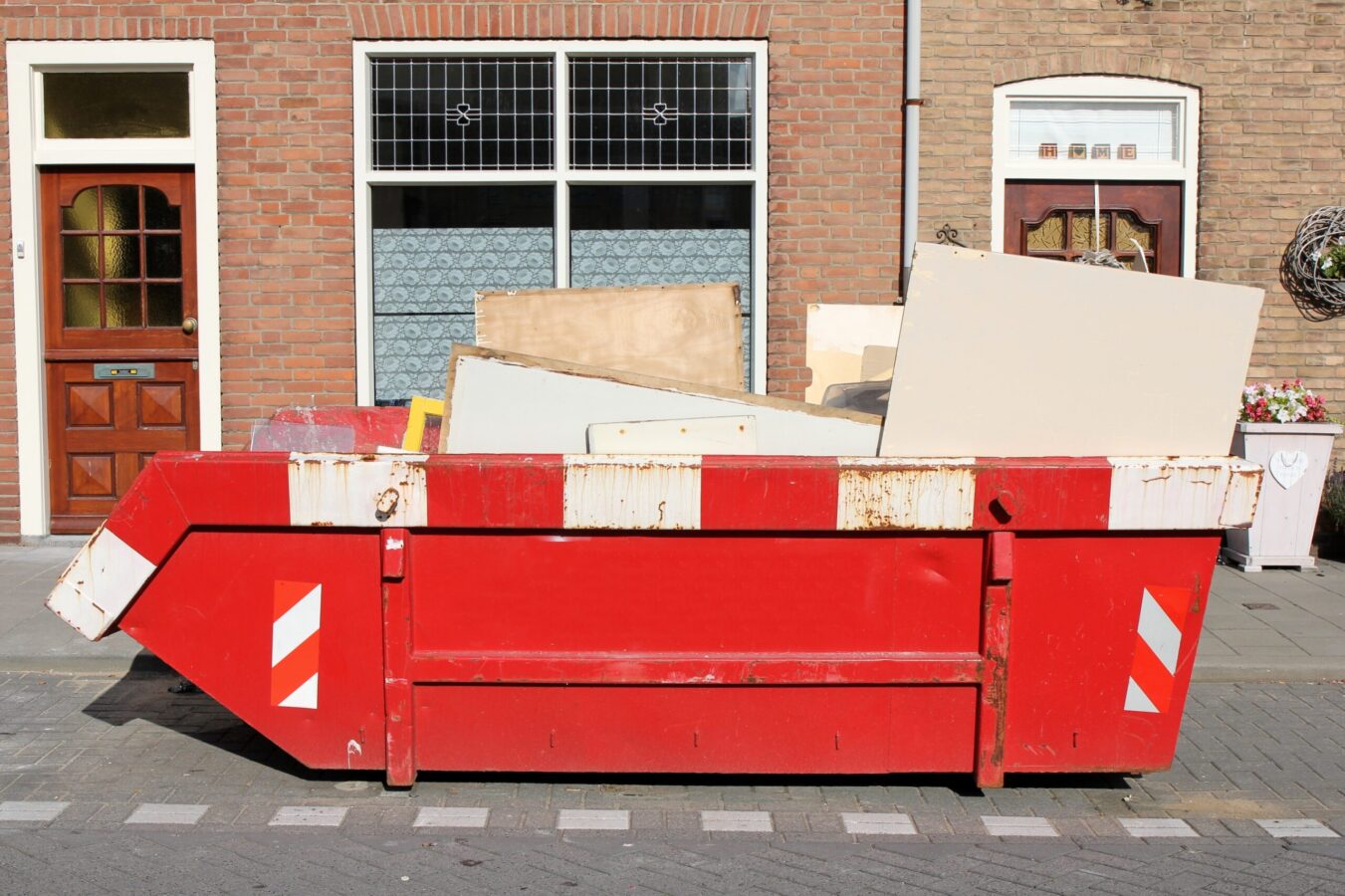
Start by laying down your largest, flattest materials to create a “floor.” Flattened cardboard boxes, old plywood sheets, or disassembled tabletops are perfect for this. By creating a level surface early on, you prevent items from shifting and falling into weird angles, which creates those pesky air pockets you want to avoid.
Step 4: The Layering Technique
Now that the floor is set, layer in your medium-sized items:
- Chairs and Small Furniture: Turn these upside down or on their sides so they “nest” together.
- General Waste Bags: Use these to fill the gaps around the furniture.
- The Tetris Mindset: If you see a hole, find a piece of trash that fits it.
Step 5: Fill the Gaps with “Filler”
The final layer should be your lightest, smallest debris, loose scraps, tiny items, and bags of clothes. Push them into the corners and open areas. This top layer fills every available inch, creating a dense, compact load that won’t blow away during transport.
Maximizing Your Space: The Tetris Method
One of the best ways to maximize your space is to stop thinking of your trash as “items” and start thinking of it as “volume.”
Box Flattening: It sounds simple, but a single unflattened cardboard box can take up the space of twenty flattened ones.
Break it down: That old bookcase? Don’t toss it in whole. Spend five minutes with a hammer or a pry bar to turn it into a stack of flat boards.
The Table Trick: Take the legs off kitchen tables. A table with legs attached creates a massive “bubble” of empty space underneath it that you can’t easily fill.
Critical Do’s and Don’ts of Dumpster Loading
To keep your project moving smoothly and avoid “Unsafe Load” penalties, keep this checklist in mind:
| What You Should DO | What You Should NOT DO |
| Weight should be distributed equally from side to side and front to back. For the container to be transported safely, the load must be balanced. | Avoid placing all of the bulky objects at one end. This may result in the dumpster becoming unstable, making it challenging to lift onto the truck, and causing the truck’s axle weight limits to be exceeded. |
| For heavier items, enter through the dumpster door. This is a game-changer because it makes access much simpler and saves your back and energy. | Avoid attempting to hoist anything too heavy over the container’s high sides. By not employing safe lifting techniques, you’re only inviting injury. |
| Everything you can should be broken down and disassembled. Flattening boxes and other materials reduces the amount of space needed for furniture, boxes, and other large items. | Don’t just throw things in whole. The quickest way to run out of space and spend money on air pockets is to do this. |
| Maintain the load below the fill line and at a level level. Make sure the dumpster you rented is not overfilled by looking for a line or marking on the inside of the wall that indicates the top. | Avoid packing the dumpster too full. Your project may be delayed if you are asked to remove anything that is piled above the walls because it is deemed an unsafe load. |
| Always wear your safety gear, such as sturdy, closed-toe shoes and gloves. Take precautions when loading heavy items. | Don’t overlook safety. If you don’t take precautions, the presence of sharp objects, rusty metal, and heavy junk increases the risk of cuts and crushed toes. |
Safety Isn’t a Suggestion, It’s a Rule
Your driveway or job site is an active work zone.
- Clear the Area: Keep children and pets far away. This is especially true in crowded areas like student housing or dorms.
- Never Climb Inside: Once you have started filling the dumpster, stay out. Debris can shift like quicksand, and you could easily be injured by falling objects or sharp edges.
- Power Lines: Before the container is even delivered, look up. Contact with low-hanging power lines is a leading cause of serious injury during dumpster delivery and pickup.
Final Tips
Loading a roll-off dumpster is about more than just brute force; it’s about smart planning and a focus on safety. By following these rules for weight distribution, disassembly, and space management, you confirm that your project stays on budget and on schedule. You’ll save your back, your wallet, and your sanity.
When you’ve followed the plan and that mountain of waste is finally contained, you’ll feel the weight lift off your shoulders.
Ready to clear the clutter for good? Don’t let the mess win. Schedule your dumpster pickup today and wrap up your project the hassle-free way.
Blog was Updated on February 5, 2026