Planning a renovation is an exhilarating process. You’re picking out tiles, looking at paint swatches, and imagining a brand-new kitchen or a more modern office layout. However, there is a “messy” reality that often gets pushed to the back of the mind until the first wall comes down: Where does all the debris go?
One of the most frequent hurdles in home or commercial renovation is accurately estimating waste volume. If you underestimate, you’re stuck with a mountain of trash on your lawn and the need for a second, expensive haul. Overestimate, and you’re essentially paying a premium to transport Georgia air.
Properly selecting your dumpster size is the unsung hero of a successful renovation. It keeps you within budget, guarantees the safety of your site, and prevents the logistical headache of multiple “dumpster runs.” Here is everything you need to know to master the math of renovation waste.
1. Understand Your Project Scope: The “Why” Before the “How Much”
The scale of your renovation is the primary driver of waste volume. Before you pick up a measuring tape, you need to categorize your project. Waste doesn’t just “happen”; it’s a byproduct of specific actions.
Minor Cosmetic Updates
If you are simply repainting, replacing a small area of flooring, or updating light fixtures, your waste will be high in surface area but low in volume. Cardboard packaging, old carpet padding, and a few cans of dried paint (if handled correctly) usually fit into a small 10-yard dumpster.
Medium-Scale Remodels
Are you gutting a bathroom or a small bedroom? This involves “dense” waste. Think about the weight and volume of a porcelain bathtub, old vanities, and several layers of drywall. These projects often bridge the gap between a 15-yard and a 20-yard dumpster in Roswell.
Major Demolition and Reconstruction
Whole-home renovations, roof replacements, or commercial office overhauls generate staggering amounts of debris. When you start removing structural elements like studs, large quantities of insulation, or kitchen cabinetry, the volume expands exponentially.
2. The Math of Trash: Calculating Cubic Yardage
In the waste management world, we talk in cubic yards. To the average person, “10 cubic yards” sounds abstract. To visualize it, imagine a standard kitchen oven or a top-load washing machine. That is roughly one cubic yard.
The Basic Formula
To get a scientific estimate, you can use a simple volume calculation for the items you know you are tossing:
Volume = Length (ft) × Width (ft) × Height (ft) ÷ 27
We divide by 27 because there are 27 cubic feet in one cubic yard.
The “Air Gap” Rule
When calculating, remember that debris never sits perfectly flush. Unlike water, demolition waste creates “void space” or air gaps. A good rule of thumb is to add a 20% buffer to your final calculation to account for irregular shapes and the inability to stack waste like a professional Tetris player.
3. Considering Material Density and Weight
Not all trash is created equal. A dumpster filled with 10 cubic yards of crushed concrete weighs significantly more than a dumpster filled with 10 cubic yards of insulation.
Heavy Debris (Inert Waste)
If your renovation involves Georgia red clay, concrete from a driveway, or bricks from a chimney, you must be careful. Most rental companies have a weight limit even if the dumpster isn’t physically “full.” Filling a large 40-yard dumpster with concrete would make the truck too heavy to legally (or physically) lift. For heavy materials, specialized “Low-Boy” dumpsters or smaller 10-yard bins are often required to stay within legal weight thresholds.
Bulky vs. Compactable
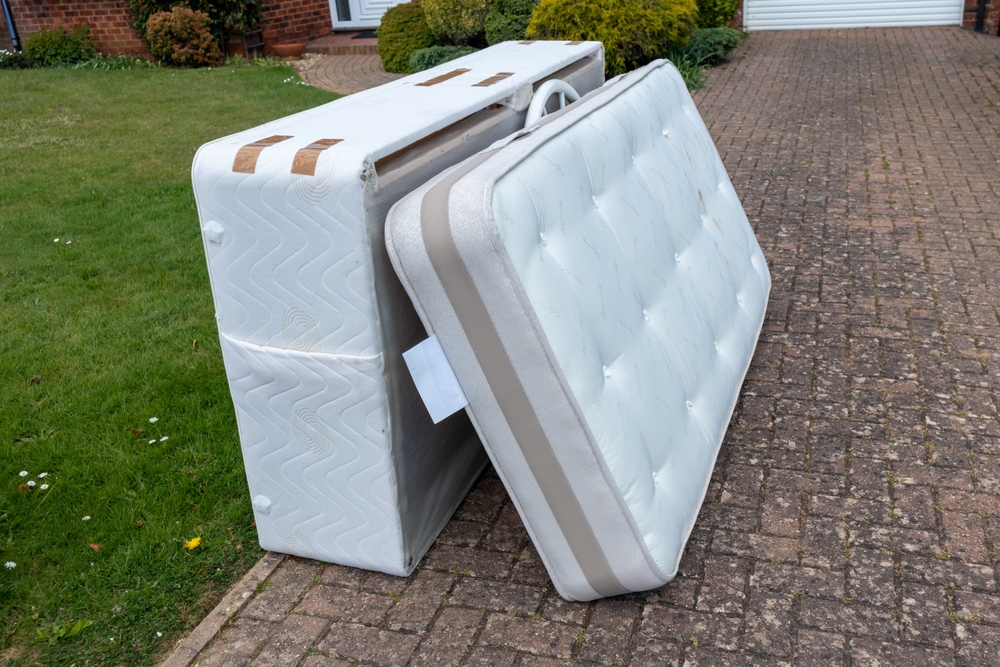
- Bulky: Couches, dining tables, and large appliances take up massive amounts of “footprint” but may not be heavy.
- Compactable: Cardboard, drywall, and scrap wood can be broken down to fill the gaps.
If you have many bulky, non-breakable items, you will need a larger size than the weight alone might suggest.
4. Assessing Site Constraints and Logistics
You could have the perfect calculation for a 40-yard dumpster, but if your driveway in Roswell is only 15 feet long, you have a problem.
Physical Footprint
A standard 20-yard dumpster is typically 22 feet long. You need to make sure you have a flat, stable surface that can accommodate that length plus the room required for the truck to back in and drop the load.
Overhead Clearance
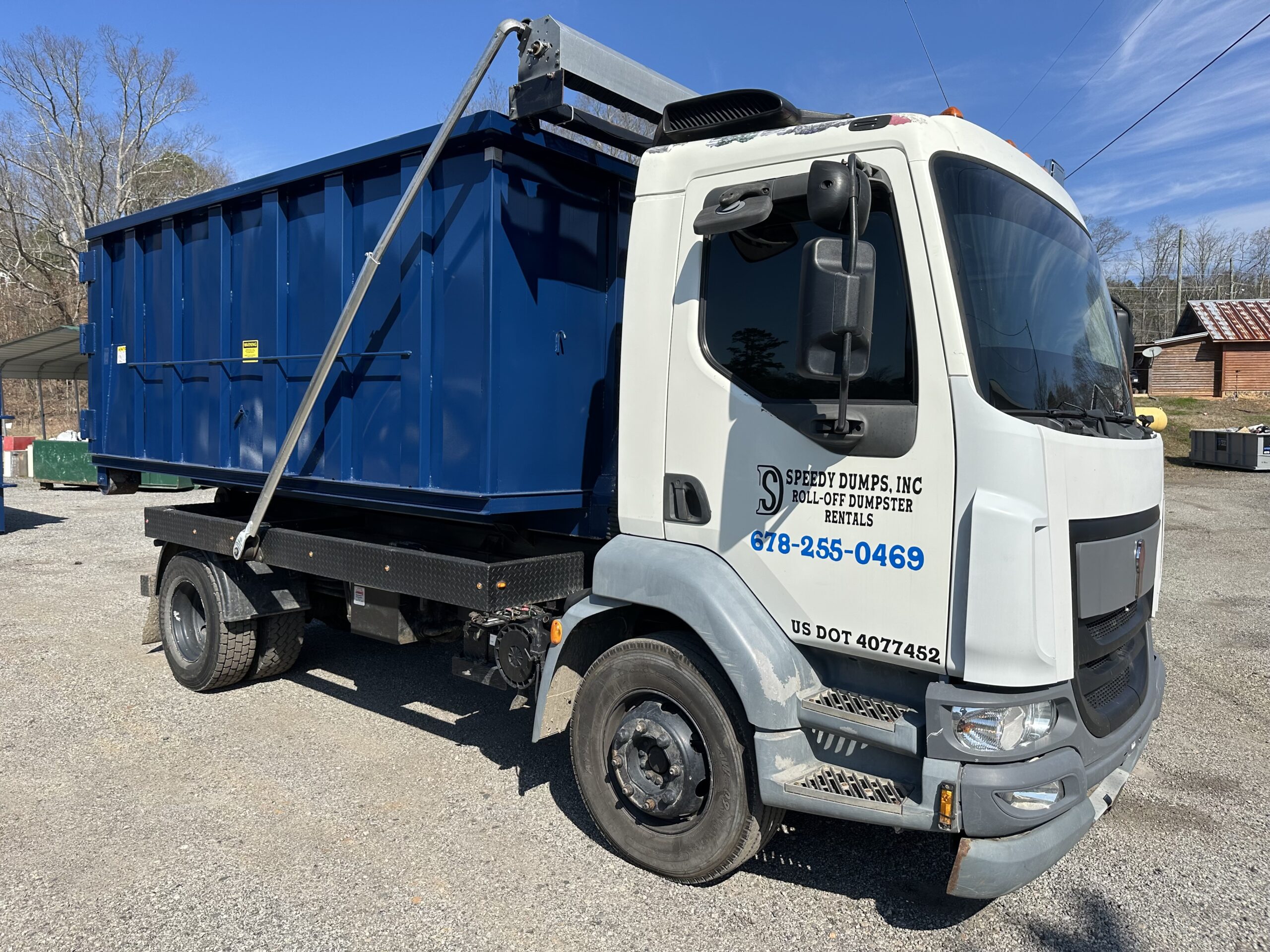
This is the most overlooked part of the process. Dumpster trucks use a “roll-off” mechanism. To drop or pick up a dumpster, the truck must tilt its bed high into the air.
- Trees: Low-hanging branches can snag the truck or the bin.
- Power Lines: A major safety hazard that can prevent delivery entirely.
- Eaves: Make sure your roof overhang doesn’t interfere with the vertical lift of the truck.
5. Dumpster Size Reference Guide
To help you visualize your needs, here is a quick breakdown of common sizes offered by providers like Speedy Dumps Inc.:
| Size | Dimensions (Approx.) | Capacity (Pickup Truck Loads) | Best For… |
| 10-Yard | 12′ x 8′ x 3.5′ | ~3 Loads | Small basements, yard debris, small baths. |
| 15-Yard | 16′ x 8′ x 4′ | ~4.5 Loads | Small kitchens, attic cleanouts, deck removals. |
| 20-Yard | 22′ x 8′ x 4.5′ | ~6 Loads | Large flooring projects, roofing shingles, bedroom guts. |
| 30-Yard | 22′ x 8′ x 6′ | ~9 Loads | Major home additions, garage builds, office renovations. |
6. Why You Should Consult a Professional
Even with the best math, there’s no substitute for experience. A reputable agency, like Speedy Dumps Inc., sees hundreds of projects a month. They can often hear your project description and tell you immediately which size will work best.
Avoid Hidden Fees
Choosing the wrong size often leads to “overage fees.” If you fill a dumpster past the “Maximum Fill Line,” the driver may refuse to pick it up for safety reasons. You’ll then have to rent a second dumpster or pay a “dry run” fee. Consulting with experts helps you avoid these “gotcha” costs.
Local Expertise
If you are looking for dumpster rental in Alpharetta or wondering about the logistics of small dumpsters in Milton, local companies understand the specific permitting requirements of those municipalities. Some cities require permits if the dumpster is placed on a public street, and a local pro will guide you through that red tape.
7. Strategic Packing: Getting the Most Out of Your Space
Once your dumpster arrives, how you fill it matters as much as the size you chose.
- Load the heavy stuff first: Put flat, heavy items like plywood or old doors at the bottom.
- Break it down: Smash those cardboard boxes. Cut long boards into smaller pieces.
- Level it out: Try to keep the load even. A lopsided dumpster can be dangerous to transport.
- Don’t “Mountain” it: Never pile trash higher than the rim of the dumpster. It’s illegal for trucks to transport loads that aren’t level and covered.
Conclusion: Plan Twice, Toss Once
Estimating dumpster space isn’t just about finding a place for trash; it’s about making sure your renovation stays on track and under budget. By understanding your scope, doing a little volume math, and considering the physical constraints of your property, you can handle waste like a seasoned contractor.
Whether you’re doing a DIY project in Gainesville or a corporate renovation in Roswell, proper waste management is the foundation of a clean, safe, and efficient job site.
Don’t let waste management be the thing that slows you down. If you have questions about dumpster rentals in Milton, or need to secure a small dumpster, our team is ready to help. At Speedy Dumps Inc., we pride ourselves on transparent pricing and dependable service.