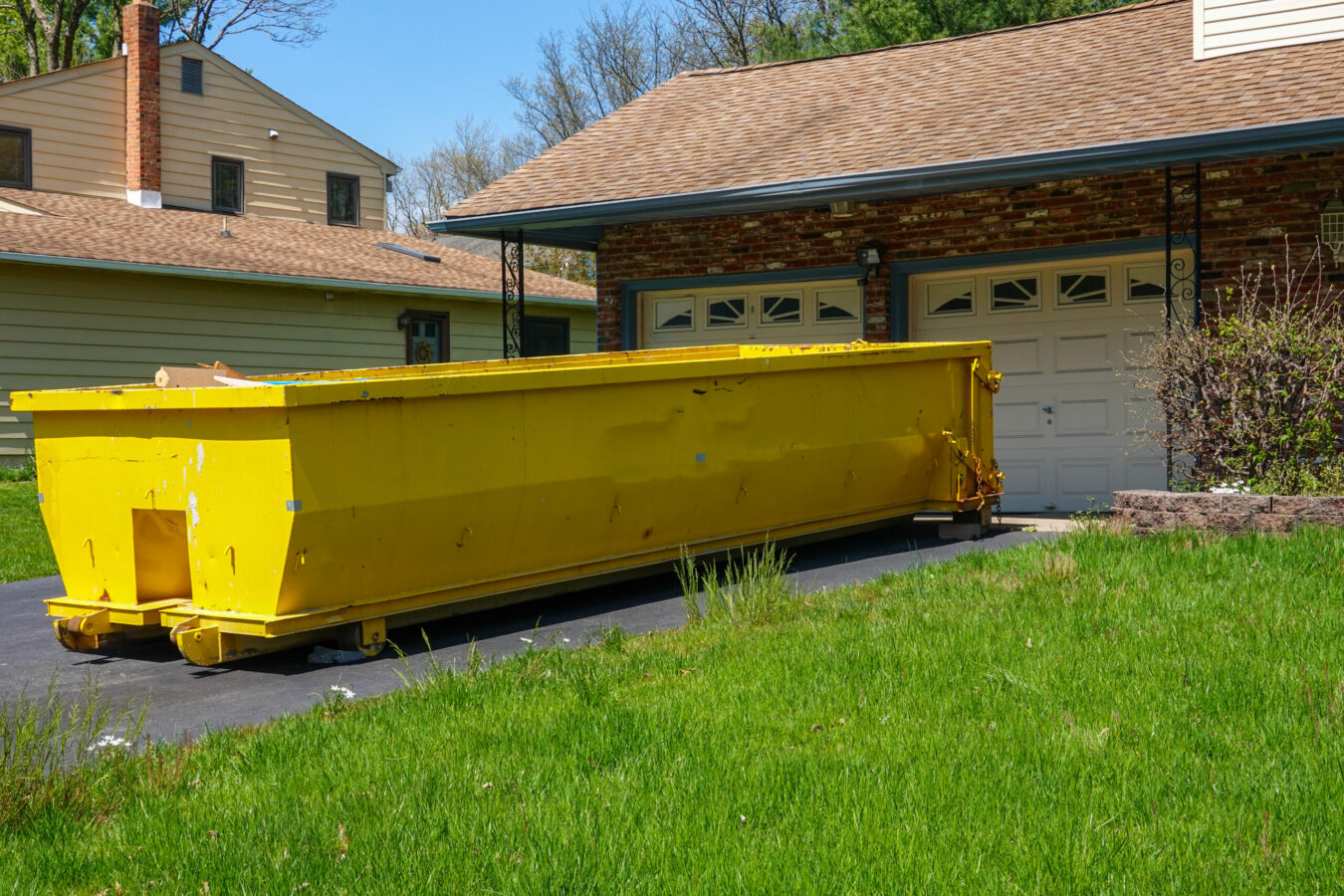
How Many Tons Does a 30 Yard Dumpster Hold?
You have a major project planned. It could be a major spring cleaning, a home makeover, or even some minor demolition. A 30-yard dumpster seems like a good fit for your needs. Then the big question arises: how much can this thing really take? Determining how many tons a 30-yard dumpster can hold is essential because it can prevent major problems and unexpected costs down the road. It makes the difference between a stressful project and one that goes smoothly. Let’s now discuss the actual figures for how many tons a 30-yard dumpster can hold.
What’s the Real Weight Limit?
There is a weight restriction imposed by the rental company when you rent a 30-yard roll-off dumpster. Typically, this limit is in the range of 3 to 5 tons. That amounts to roughly 6,000 to 10,000 pounds of trash, debris, and other items that you are discarding. This range is a rule based on safety and legal limits, not just a recommendation. A certain maximum weight can be carried by the trucks used for dumpster pickup. Your dumpster’s contents are included in the U.S. Department of Transportation’s stringent guidelines regarding the maximum weight a commercial truck is permitted to transport on public roads.
Therefore, even though a 30-cubic-yard dumpster has a constant volume, the weight it can legally support can vary. The best course of action is to inquire directly with the dumpster rental company about their precise weight limit. They will provide you with the precise weight limit that is included in your quoted price. If you’re located in North Georgia, dumpster rental in Forsyth County, GA, is available for both residential and commercial cleanup projects.
What Affects Your Dumpster’s Final Weight?
Although 30 cubic yards may seem like a simple measurement, the weight of the dumpster is completely different. Almost everything you put in your dumpster determines its final weight. Understanding dumpster weight is important because some materials are simply much heavier than others.
The Type of Debris Matters Most
Consider packing a box with feathers as opposed to rocks. The weight is significantly different even though the box is the same size. Your 30-yard dumpster follows the same reasoning. Light materials that don’t add much weight to the dumpster, like cardboard, dry yard waste, or old furniture, will take up a lot of space. However, you can quickly reach the weight limit if your project calls for removing large debris. For these projects, knowing the debris weight is essential because materials like concrete, bricks, dirt, and asphalt are very heavy and dense.
Let’s examine the weight capacities of various materials. This will help you better understand how dumpster weight limits operate by giving you a better idea of how quickly your dumpster can fill up weight-wise.
| Material | Approximate Weight per Cubic Yard |
| Loose Trash & Household Junk | 200-300 lbs |
| Dry Wood & Lumber | 600-1,000 lbs |
| Drywall | 1,200-1,600 lbs |
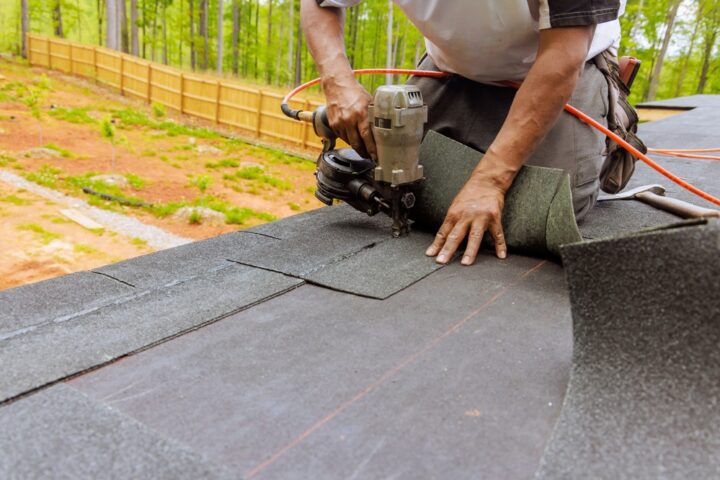
| Roofing Shingles | 2,500-4,000 lbs |
| Asphalt | 2,500-2,700 lbs |
| Brick | 3,400 lbs |
| Concrete | 3,900-4,100 lbs |
| Soil or Dirt | 2,000-3,000 lbs |
As you can see, you can exceed the yard dumpster weight limit with just a few cubic yards of concrete. You must exercise extreme caution when organizing major remodeling projects that involve a lot of debris. Some businesses even provide yard dumpsters specifically designed for materials like dirt or concrete, which frequently have different weight restrictions and prices.
Don’t Forget About Water Weight
People frequently forget that water is heavy. When it rains and you leave your dumpster open, a lot of materials will absorb the water like a sponge. Consider cardboard, drywall, wood, and even dirt. A sudden downpour can increase your load by hundreds or even thousands of pounds. The majority of waste management specialists understand the relationship between moisture content and tonnage. You could easily go over your limit with this additional weight.
When you’re not using your yard roll-off dumpster, the simple solution is to cover it with a tarp, especially if rain is predicted. You can avoid a nasty surprise and an overage fee on the final bill by taking this easy step. For their debris projects, seasoned contractors frequently utilize this expert tip.
Why Does the Weight Limit Even Matter?
You understand that there is a limit, but why is adhering to it so crucial? In the end, it really boils down to safety and money. A seamless rental experience depends on knowing the weight restrictions for the dumpster. Overweight is a frequent problem that rental companies deal with on a daily basis. You will be charged an overage fee if your dumpster weighs too much. Depending on the company and local landfill pricing, these fees can range from $75 to $150 per ton over the agreed-upon limit.
This has the potential to quickly turn a cheap rental price into a costly error. In addition to the expense, disposing of waste poses a major safety risk. Dumpster trucks’ hydraulic systems are strong, but they have limitations. The truck may be unable to lift an overweight dumpster, which could delay the process and necessitate that you empty some of the contents before it can be removed. Worse yet, it might cause harm to the truck or put the driver in danger while picking up the dumpster. Overweight loads present a serious risk to road safety, which is of utmost importance. For this reason, the weight restrictions on dumpsters are strictly enforced.
So, Exactly How Many Tons Does a 30 Yard Dumpster Hold?
Let’s get everything back together. The simplest explanation is that a 30-yard dumpster can typically hold three to five tons, or 6,000 to 10,000 pounds. This is the norm for the majority of dumpster rental businesses nationwide.
For the majority of large residential projects, this weight allowance is typically sufficient. This covers tasks like a thorough house cleaning, remodeling the kitchen and bathroom, or getting rid of outdated decking. For these tasks, a 30-yard dumpster may be the ideal size because it can hold a lot of material.
However, keep in mind that this is only a general rule. Depending on the service area and dumpster rental company you select, your exact limit may vary. To be sure that you have a proper weight limit for your requirements, you must first verify the precise yard dumpster weight limit with your provider before you begin filling it.
Tips for Estimating Your Debris Weight
With a little preparation, you can make a fairly accurate estimate of the debris weight of your junk removal project, even though it may feel like a wild guess. Being close enough to prevent any problems is more important than being flawless. All you have to do is pay attention to what you discard. Consider your project first. Compared to a patio demolition project involving concrete and brick, a foreclosure cleanout involving primarily old household items and clothing will be substantially lighter. Use the previously mentioned table as a guide because the weight limit based on the type of material is a significant consideration.
Let’s examine an example. Let’s say you’re remodeling and gutting your kitchen. You’ll probably have old wood cabinets, flooring, drywall, and countertops (perhaps light laminate or heavy stone). To help you stay within the weight limit, you could use the weight chart to get a total after estimating the cubic yardage of each material. You can also get assistance with this process from a variety of online weight calculators. To get a weight estimate, you can enter the kind and quantity of debris you have. For large-scale renovation projects in particular, this is an excellent tool to use during the planning phase.
Choosing the Right Dumpster Size for Your Project
Selecting the right dumpster size is more than just a guess; it’s a balance of volume and weight. While a 30-yard dumpster is a popular mid-range choice, it isn’t always the best fit for every job. Depending on your specific materials, it can sometimes be too large for your driveway or surprisingly too small for heavy construction debris.
Understanding the typical capacities of each bin will help you avoid overage fees and ensure your project stays on track. Here is how to choose the perfect container for your needs.
20-Yard Dumpsters: The Homeowner’s Favorite
For smaller-to-medium residential projects, the 20-yard dumpster is a fantastic choice. These bins usually carry a weight limit of two to three tons, making them manageable for the average driveway.
- Best For: Remodeling a single room, cleaning out a small garage, or decluttering a specific wing of your home.
- The Benefit: It’s large enough to hold the equivalent of about 10 pickup truck loads but small enough to not be an eyesore.
Homeowners tackling these mid-sized cleanouts often rely on Alpharetta dumpster rentals to provide options that perfectly match their debris weight without paying for unused space.
40-Yard Dumpsters: The Heavy Hitters
On the opposite end of the spectrum is the 40-yard dumpster, the largest standard size available for rent. This is the “beast” of the waste world, designed specifically for massive undertakings.
- Best For: Whole-house demolitions, major commercial construction, or large-scale estate cleanouts.
- The Capacity: These bins typically feature a 5–6 ton weight limit.
| Dumpster Size | Typical Dimensions (LxWxH) | Weight Limit (Tons) | Equivalent in Pickup Truck Loads | Common Uses |
| 20 Yard | 22 ft x 8 ft x 4 ft | 2-3 tons | Approx. 10 | Small remodels, deck removal (small), and garage cleanouts. |
| 30 Yard | 22 ft x 8 ft x 6 ft | 3-5 tons | Approx. 15 | Large remodels, whole-house cleanouts, and new construction. |
| 40 Yard | 22 ft x 8 ft x 8 ft | 5-6 tons | Approx. 20 | Commercial projects, demolitions, and large-scale construction. |
Be ready to talk about your project in detail when you’re ready to place an online order or give a business a call. To help them determine the ideal dumpster size and let you know the weight limit, mention the kinds of materials you plan to dispose of. To prevent any issues, don’t forget to inquire about the rental period and what is and isn’t permitted, such as hazardous waste or asbestos waste.
Key Takeaways for Dumpster Rental Success
The key to a successful project is knowing the answer to the question of how many tons a 30-yard dumpster can hold. Although 3 to 5 tons is the usual range, the precise amount will depend on the particular materials you’re discarding. Your weight allowance will be depleted much more quickly by heavy objects like bricks or concrete than by lighter junk.
Before you begin, always ask your rental company about their precise weight restrictions and the overage fee schedule. This easy step will make your cleanup project as easy as possible by assisting you in creating a proper budget and preventing any expensive surprises. To get started with your rental, reach out today through our contact page.
Blog Updated on February 5, 2026