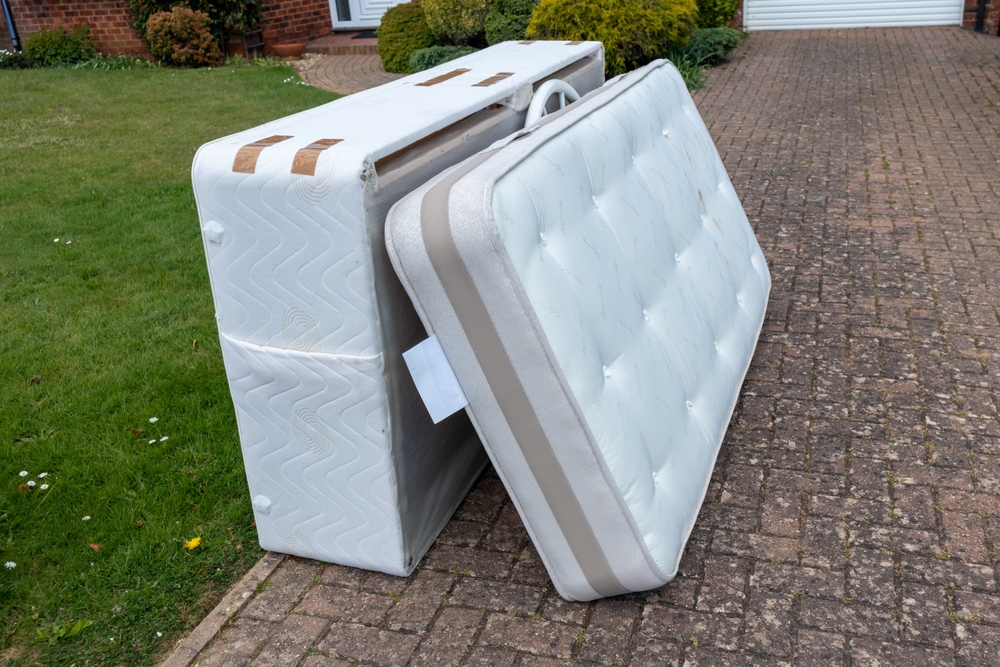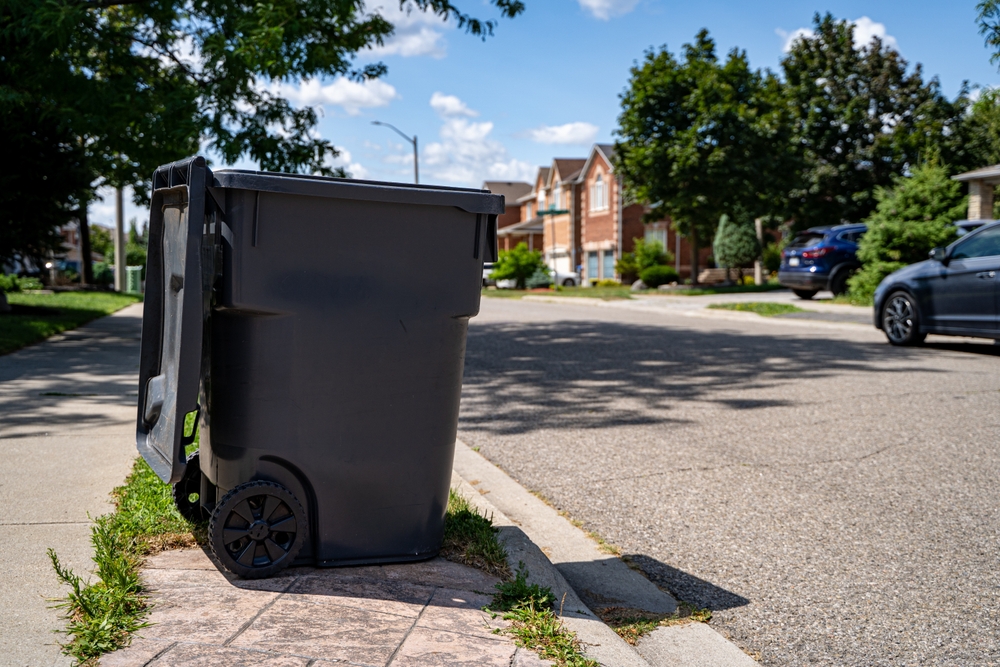
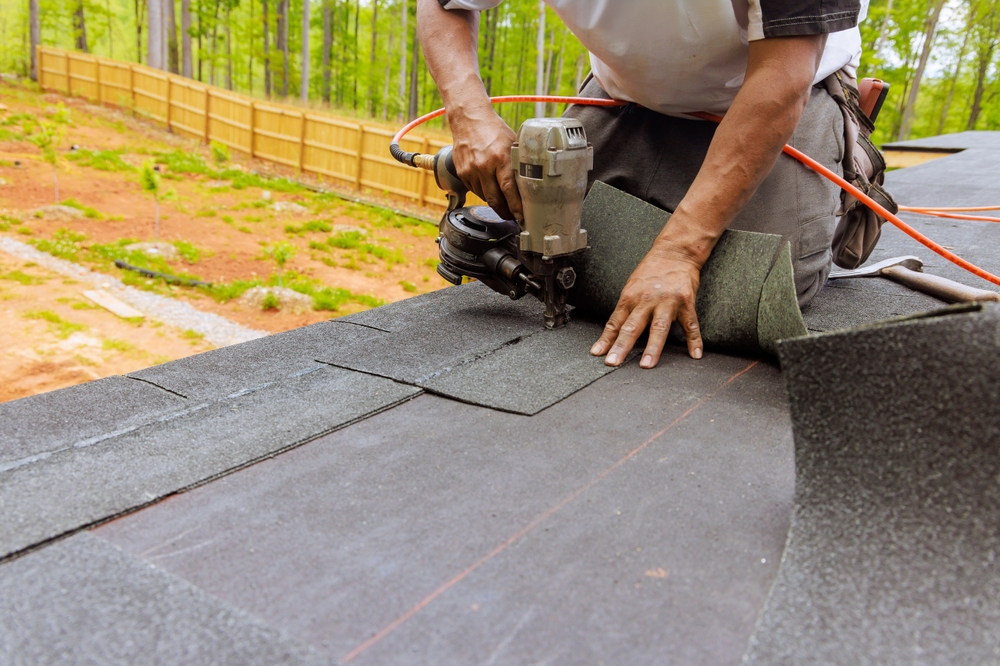
You’re facing a roof repair or replacement project. You’ve gotten contractor bids. You’ve selected materials. Now you need to think about what happens to all the old roofing material coming off your roof. This is where many homeowners and contractors make their first mistake. They underestimate how much debris a roofing project creates. They fail to plan for proper disposal.
Homeowners who fail to plan ahead end up with piles of shingles and debris in their yard with no good way to handle it. A 10-yard dumpster solves this problem completely. But understanding how much material your roof will produce and how to position the bin matters. Let me walk you through the practical side of roofing projects that nobody talks about.
Why Roofing Debris Is Bigger Than You Think
When contractors remove old roofing, the material expands significantly. Shingles stacked neatly on rolls take up far less space than shingles loosened and torn from a roof. The same is true for the felt underlayment and any other materials underneath.
Here’s what gets removed from a typical residential roof:
- Old shingles (the main component)
- Felt or synthetic underlayment
- Nails and fasteners
- Ridge caps and trim pieces
- Flashing material
- Possibly old plywood decking if replacement is needed
All of this accumulates quickly. A typical residential roof might shed 5 to 10 tons of material. That’s not something you haul away in a pickup truck. It needs a proper disposal container.
Many homeowners think they can bag the material or pile it for later removal. This creates problems. Loose shingles blow around your yard and your neighbors’ yards. They get tracked into your house. They clog your regular trash service. They create an eyesore that affects your property’s appearance. Worse, they can damage landscaping and create drainage problems.
A dumpster is the professional solution for a reason. It contains all the material, keeps your property clean, and allows for efficient disposal.
Understanding Shingle Weight and Volume
Before selecting a dumpster size, you need to understand how much material your roof will produce. This comes down to two factors: the weight of shingles and the volume they occupy once removed.
Shingle weight varies by type and quality. Standard asphalt shingles weigh approximately 200 to 400 pounds per square. A “square” in roofing means 100 square feet of roof area. So if a roofing contractor says your house needs 20 squares of shingles, that’s 2,000 square feet of roof.
Higher quality architectural shingles are heavier, often 300 to 500 pounds per square. Budget shingles are lighter. The weight specification should be on the product documentation.
To calculate total shingle weight, multiply the number of squares by the weight per square. A 20-square roof with 300-pound shingles produces 6,000 pounds of shingle material. Add the weight of underlayment, nails, flashing, and other materials, and you’re looking at 7,000 to 8,000 pounds total.
This weight matters because dumpsters have weight limits. A typical 10-yard dumpster can hold 3 to 4 tons (6,000 to 8,000 pounds), depending on the rental company. For a mid-sized roof, this is right at or slightly over capacity.
Volume also matters. Loose shingles are bulky. They don’t compress like trash in your regular garbage can. A 10-yard dumpster has 10 cubic yards of capacity. Once roofing debris is loosened and thrown in, it often fills most of a 10-yard bin.
What Does a 10-Yard Dumpster Actually Hold?
Understanding dumpster dimensions helps you visualize what will fit and plan accordingly.
A standard 10-yard dumpster is approximately 14 feet long, 8 feet wide, and 4 feet deep inside. These are rough dimensions. Different rental companies have slightly different equipment.
The inside capacity of 10 cubic yards translates to roughly 135 cubic feet. When you fill it with loose roofing material, it gets full quickly. A typical residential roof produces enough debris to fill a 10-yard bin almost completely.
For small roof repairs covering just part of your roof, you might get away with a smaller dumpster. A 6-yard dumpster is more compact and costs less. But for a full roof replacement, a 10-yard dumpster in Suwanee, or elsewhere, is most often the right choice.
Larger 15 or 20-yard dumpsters exist but are overkill for most residential projects. They take up more space on your property and cost more. A 10-yard is the sweet spot for residential roofing.
Positioning the Dumpster for Efficient Disposal
This is where most people miss an important optimization. Where you place the dumpster dramatically affects how efficiently roofers can work.
The ideal position is directly below the roof area being worked on. If your contractors are tearing off shingles from the front of your house, the dumpster should be on the street or driveway in front. If they’re working on the back, it goes in the back.
Placing the dumpster nearby saves time and reduces safety risks. Roofers can throw debris directly down into the bin rather than carrying it across the roof and down a ladder to a distant location.
Close positioning also protects your property. Debris blown by wind or thrown carelessly causes damage when it travels across your yard. When the bin is directly below, material goes in rather than scattering.
Talk to your roofing contractor about the best position for your specific roof layout. They may suggest placing the bin on your driveway or in the yard. Some positions work better than others depending on roof pitch, tree locations, and ground conditions.
Safety and Access Considerations
Make sure the dumpster position doesn’t block emergency vehicle access. It shouldn’t be directly in front of your garage door if you need vehicle access during the project. Consider utility lines overhead. The last thing you need is the delivery truck hitting a power line.
Check for underground utilities before placement. Call your local utilities locating service if you’re unsure where lines run.
Make sure the ground where the dumpster sits is firm and level. Soft ground can cause the bin to sink or tip. Asphalt or concrete is ideal. If you’re placing it on grass or soil, request a thicker base material from the rental company or place boards underneath.
Multi-Day Project Positioning
If your roof replacement takes multiple days, the dumpster position becomes more critical. Roofers working on day two need the same convenient access to disposal as day one. Don’t move the bin once positioned.
If your roof is particularly large and roofers work on different sections, you might reposition the bin once or twice. Discuss this with your contractor and rental company. Most allow repositioning within the rental period, though it costs extra.
Calculating Your Specific Dumpster Needs
To determine if a 10-yard dumpster in Milton is right for your project:
- Calculate your roof size in squares: Your roofing estimate should state this. If not, ask your contractor. A typical single-story house is 15 to 30 squares. A two-story house might be 25 to 40 squares.
- Check the weight per square for your shingle type: Standard asphalt is 200 to 400 pounds per square. This should be in the product specification.
- Multiply squares times weight per square: Add 20 percent for underlayment and fasteners. This gives you total weight.
- Check if your total falls within the dumpster weight limit: A 10-yard bin typically handles 6,000 to 8,000 pounds.
- Consider the volume: Even if weight is okay, does the material fit? Loose shingles are bulky. For anything over a 25-square roof, a 10-yard bin is likely at capacity for volume.
If your calculation shows you’re at or over capacity, request a larger bin or plan for two smaller bins.
Practical Tips for Dumpster Efficiency
Once you’ve selected your dumpster, use it efficiently to maximize space.
Have roofers pack material into the bin as they work rather than piling it loosely. Packed material takes up less space. Someone walking through the dumpster and arranging debris can fit more material.
Remove nails from shingles if possible before disposal. Nails add weight without adding volume to useful material. Many recycling facilities have restrictions on nailed material anyway.
If your roof has multiple layers, removing old roofing in sections and filling the dumpster as you go keeps material from piling up on the roof. This is safer for workers and reduces roof load stress.
Break down large pieces like flashing. Smaller pieces pack more efficiently than one long piece taking up space.
Keep the dumpster covered during rain if possible. Water-saturated roofing material weighs much more than dry material. A tarp over the bin prevents this weight increase that could put you over capacity.
Dumpster Rental Logistics
Understanding how dumpster rentals work prevents surprises.
- Most companies charge a flat rate for a week-long rental: The cost typically ranges from $400 to $600 for a 10-yard bin, depending on your location. Some companies charge extra for delivery and pickup.
- Confirm the rental period: A roofing project usually takes 1 to 3 days. Most companies give you a week. If your project goes longer, you might extend the rental or pay overage fees.
- Confirm the weight limit: Exceeding weight limits results in extra fees, often several hundred dollars. Know your capacity before the project starts.
- Ask about drop-off and pickup: Some companies deliver the bin and pick it up. Others require you to have it ready at the curb. Timing matters if you’re juggling multiple contractors.
- Check cancellation policies: If your project gets delayed or rescheduled, can you postpone your dumpster without penalty?
Common Mistakes to Avoid
Learning from others’ mistakes saves time and money.
- Underestimating material volume is the biggest mistake. Loose shingles take much more space than you’d expect. If you’re unsure, rent the larger bin. Paying extra for a bigger dumpster costs less than dealing with material overflow.
- Positioning the dumpster too far from the work area creates problems. Roofers waste time and energy. Material gets scattered. Work slows down.
- Forgetting about weight capacity until the dumpster is full causes problems. If you exceed limits, disposal becomes expensive and complicated.
- Renting for too short a period forces extension fees. Budget at least a week for dumpster rental even if your work takes 3 days.
- Not protecting the dumpster from the weather allows rain to soak material and increase the weight dramatically. A simple tarp prevents this.
Dumpster Alternatives for Small Projects
Not every roofing project needs a full dumpster. Small repairs might use alternatives. For minor repairs affecting just one section, you might bag material and have regular trash pickup handle it over time. This works for projects producing less than a half square of material.
Some contractors offer material removal as part of their service. They haul old material away themselves. If this is available, it’s convenient, though it often adds to project cost. Recycling facilities sometimes accept roofing material. Call ahead to confirm acceptance and find out their requirements. Some want material bundled by type.
Scrap yards might take metal flashing and aluminum trim. Copper guttering actually has value. Separating valuable metals from the waste might pay for part of your disposal. But for a full roof replacement on a typical house, a dumpster remains the most practical solution.
During Your Roofing Project
Once your dumpster is positioned and ready, there are things to monitor during the project. Check on material accumulation. Are roofers filling the bin efficiently? Is the dumpster getting too full? If your project takes longer than expected, material might accumulate faster than disposal.
Monitor the weather. Rain during a multi-day project can dramatically increase material weight. Keep an eye on the forecast and cover the dumpster if rain is coming. Communicate with roofers about any concerns. If the material isn’t packing well, they might adjust their approach. If the bin seems to fill slowly, they might be working less efficiently than expected.
Make sure no hazardous materials end up in your roofing dumpster. Old asbestos-containing roofing material needs special handling. Modern asphalt shingles are fine for standard disposal.
Planning Ahead Saves Time and Money
The key to dumpster success in roofing projects and roll-off dumpster rental planning. Understanding your roof size, the weight of material being removed, and the right dumpster size prevents problems.
Positioning your dumpster correctly makes the entire project flow better. Roofers work faster. Your property stays cleaner. Debris doesn’t scatter. Include dumpster rental in your project budget. It’s a necessary cost for proper debris management. Trying to save money by skipping professional disposal creates more expense and headaches later.
Your roofing project deserves proper planning and professional execution from beginning to end. That includes having the right disposal solution in place from day one. There’s no better way to secure that than to get in touch with the professional team at Speedy Dumps, Inc. After all, a 10-yard dumpster positioned correctly for your specific roof makes the entire project cleaner, safer, and more efficient.