
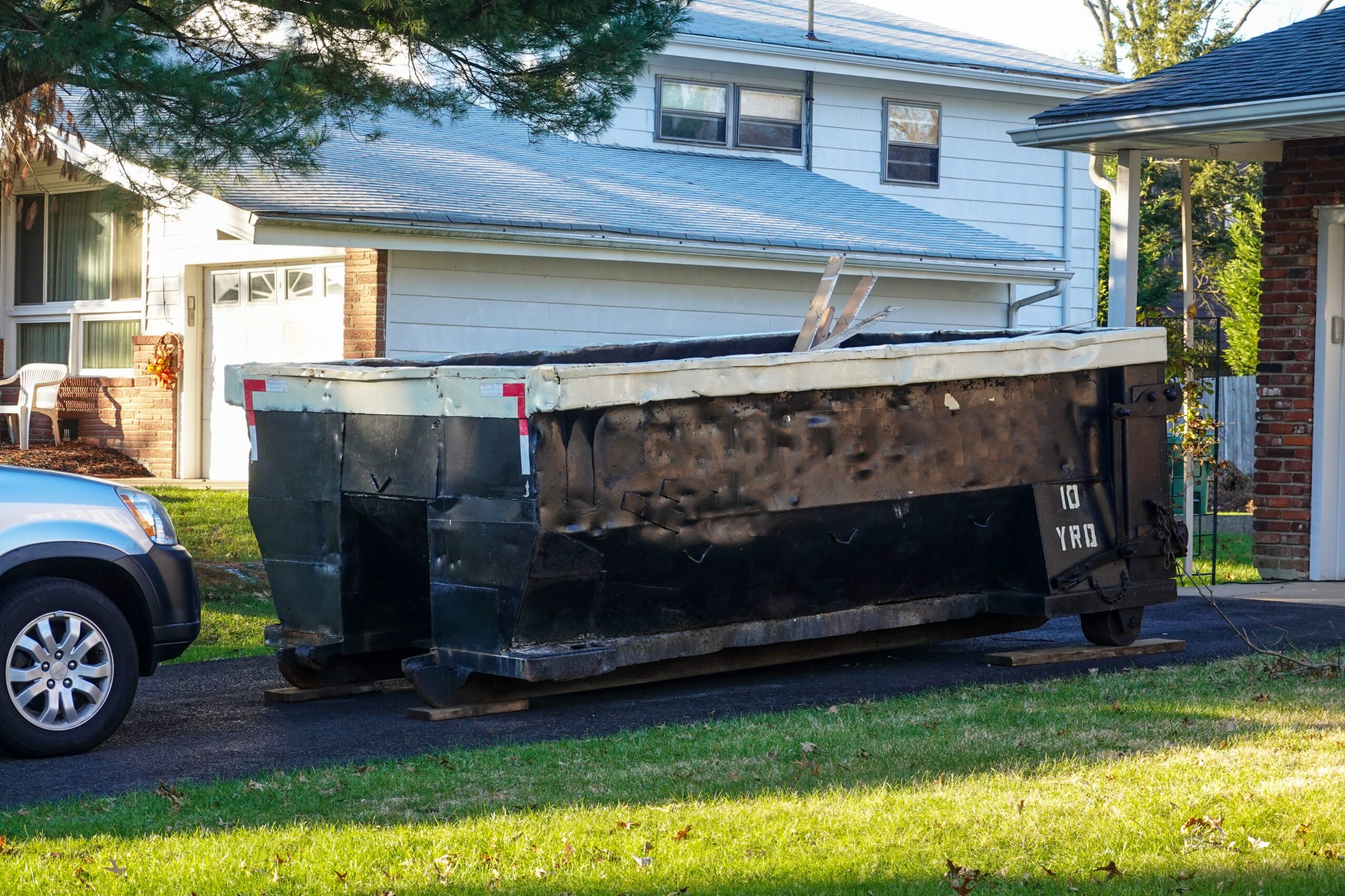
A 20 yard container packed with drywall, shingles and rain-soaked carpet can cross its tonnage allowance long before it looks full from the driveway. Overage charges around north Fulton County generally run $50 to $125 per additional ton, applied after the load crosses the scale at the transfer station. Every dumpster rental Roswell homeowners book carries two separate limits, volume and weight, and the second one causes almost all of the surprise charges.
Loading technique decides which limit you hit first. The same pile of debris can weigh identically but occupy half the space, or soak up several hundred pounds of rainwater, depending on how it goes into the bin.
Volume and Tonnage Are Two Different Ceilings
Companies handling dumpster rental Roswell Georgia jobs assign each container size a weight allowance that reflects what the truck can legally haul on local roads. Exceeding that allowance triggers a per-ton charge, and in extreme cases the driver cannot lift the box at all. Typical allowances across the metro area look like this:
- 10 yard container: 1 to 2 tons, common for bathroom demolition or a small roof
- 15 yard container: 2 to 3 tons, popular for garage and basement cleanouts
- 20 yard container: 3 tons, the standard for whole-home decluttering and flooring tear-outs
- 30 yard container: 4 tons, sized for additions, large remodels and estate clearing
Understanding the number on your rental agreement matters more than the yard size printed on the side of the box. A 30 yard bin filled with plaster lath and old tile will hit four tons at roughly the halfway mark.
Break Down Furniture Instead of Dropping It In Whole
An intact sectional sofa tossed into a 20 yard bin can consume a third of the available space while weighing under 200 pounds. That wasted volume forces a second haul, and a second haul carries a second weight allowance you now have to pay for. Disassembly costs about fifteen minutes per piece and returns enormous space.
- Remove sofa legs, cushions and the fabric-covered back panel, then cut the frame at the joints with a reciprocating saw.
- Take dresser drawers out, stack them inside one another, and lay the empty carcass flat against the floor of the bin.
- Unbolt table legs and bed rails rather than throwing the assembled frame over the wall.
- Cut box springs along the perimeter, fold the wood frame inward, and flatten the whole unit to roughly six inches thick.
Particleboard furniture deserves extra attention because it absorbs water quickly and gains weight fast. Getting those pieces flat on the bottom of the load keeps them from acting like sponges during an afternoon thunderstorm.
Stack Flat and Load in Layers
Professional haulers treat a dumpster like a shipping container rather than a hamper. Random tossing creates air pockets, and air pockets are the main reason a container reaches the fill line at 60 percent of its true capacity. A layered approach uses the same cubic yards far more efficiently.
- Start with flat, rigid material on the floor: plywood sheets, doors, countertops, cabinet boxes laid on their sides.
- Fill the gaps between large flat items with smaller debris, broken trim and bagged waste before adding the next layer.
- Place bulky awkward items such as appliances against the walls, not in the middle where they block stacking.
- Save lightweight compressible material, insulation, cardboard and plastics, for the top where you can press it down.
Keep everything below the top rail. Georgia transportation rules prohibit hauling a container loaded above the sidewalls, and an overfilled bin usually gets refused on arrival, which costs a dry run fee of $75 to $150 in most of the 30075, 30076 and 30077 service areas.
Keep Dirt, Brick and Concrete in Their Own Container
Heavy inert materials behave nothing like household debris on a scale. Dry soil runs roughly 2,000 pounds per cubic yard, and concrete or brick rubble can reach 3,000 pounds per cubic yard. Three cubic yards of clean fill will exhaust the entire allowance on a standard 20 yard rental while leaving 17 yards of empty air above it.
For patio demolition, retaining wall removal or a landscaping project near the Chattahoochee, ask for a dedicated 10 yard heavy debris container. These boxes come with a fill line partway up the wall and a flat-rate price that reflects the density of the material. Mixing soil with construction waste also blocks recycling, since clean concrete and brick can be crushed and reused, a practice the EPA tracks as part of construction and demolition material recovery.
Separation applies to a few other categories worth planning around:
- Clean fill: dirt, sod, rock, brick, block and concrete without rebar
- Roofing: asphalt shingles, which average 250 pounds per square of three-tab material
- Yard waste: limbs and green debris, which hold significant moisture weight after storms
- Mixed household and construction debris: everything that does not fall in the categories above
Tarp the Bin Before Roswell Rain Adds Half a Ton
Roswell averages close to 53 inches of precipitation per year, and summer storms roll through often enough that an open container will collect water more than once during a typical seven day rental. Water weighs about 8.34 pounds per gallon, which makes the math unforgiving.
The open top of a 20 yard container measures roughly 8 feet by 22 feet, or 176 square feet. One inch of rainfall across that opening amounts to about 110 gallons, close to 915 pounds, before counting what the drywall, carpet padding and cardboard soak up and hold. Two storms during a single rental can quietly add a full ton to the ticket.
- Buy a heavy duty poly tarp at least two feet longer and wider than the container opening.
- Secure it with bungee cords hooked under the top rail every three to four feet, or weigh the edges with cinder blocks set inside the rim.
- Pitch the center slightly high so water runs off instead of pooling in a sagging middle.
- Re-cover the bin at the end of each work day, not just when rain appears in the forecast.
Loose debris also stays put under a tarp, which matters on the wind-exposed lots off Holcomb Bridge Road and along Alpharetta Highway. Neighbors and HOA boards notice blowing insulation long before the hauler does.
Estimate the Load Before the Truck Arrives
Rough weight math prevents most overage disputes. Carpet and pad run about 5 pounds per square yard combined, drywall averages 1,600 pounds per 10 by 10 room stripped to studs, and a standard refrigerator weighs 250 to 300 pounds. Adding those figures before booking often reveals that two smaller pulls cost less than one overloaded haul.
When a project mixes light bulk with dense rubble, the cheaper path is almost always a heavy debris box for the rubble and a larger box for everything else. Splitting the load protects the volume you paid for in the bigger container.
Frequently Asked Questions
How Much Does an Overage Fee Cost in Roswell?
Expect $50 to $125 per ton over the included allowance across most of north Fulton County, billed after the loaded container is weighed at the disposal facility. The charge is prorated in many cases, so 400 pounds over will not cost a full ton, though some haulers round up to the nearest half ton.
What Is the Weight Limit on a 20 Yard Dumpster?
Most 20 yard containers include 3 tons, or 6,000 pounds, of disposal weight. That covers a full kitchen gut, roughly 30 squares of shingles or a large multi-room cleanout, but it will not cover concrete, soil or masonry rubble.
Can Dirt and Concrete Go in a Regular Dumpster?
Clean fill generally requires a dedicated 10 yard heavy debris container with a marked fill line, because a single cubic yard of concrete can weigh 3,000 pounds. Mixing soil or rubble into a standard load usually voids the flat rate and results in per-ton billing.
Does Rainwater Really Count Toward the Weight Limit?
Yes, and one inch of rain into an uncovered 20 yard container adds roughly 915 pounds. Absorbent materials such as drywall, carpet padding and cardboard retain much of that moisture through pickup day, so tarping between work sessions is the single cheapest weight control step available.
How Long Does Furniture Disassembly Actually Take?
Plan on 10 to 20 minutes per large piece with a reciprocating saw and a socket set. A three-piece bedroom set broken down and stacked flat occupies about one third of the space it would take intact, which frequently makes the difference between one container and two.
Reserve the Right Container Size for Your Project
Speedy Dumps, Inc. matches container size and weight allowance to the actual material on your Roswell job site, including separate heavy debris boxes for soil, brick and concrete. Contact our team with a short description of the project and the crew will recommend the size that keeps the final bill equal to the quote.