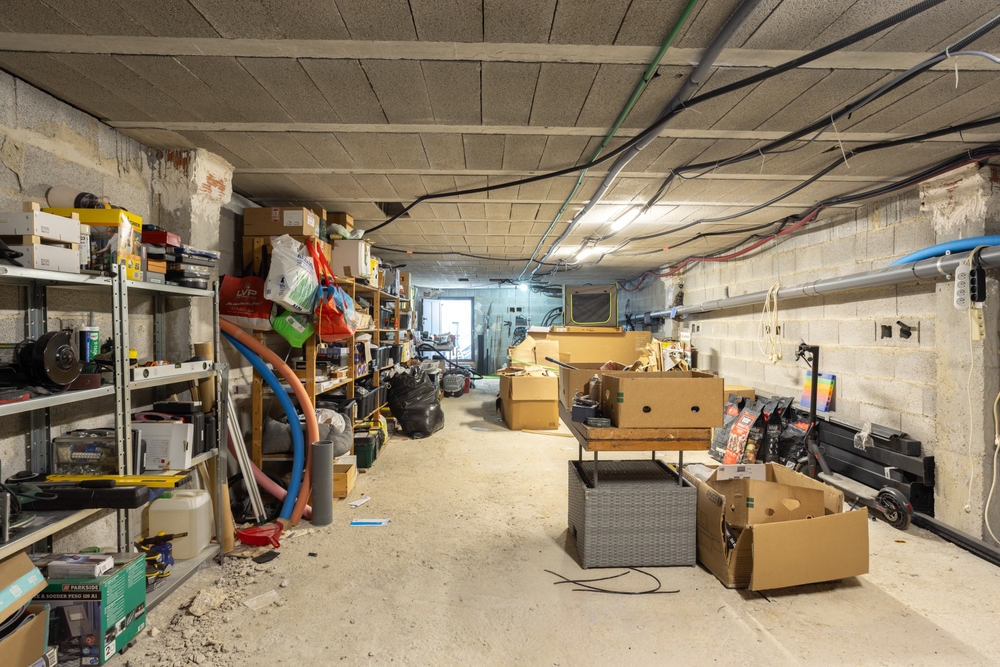
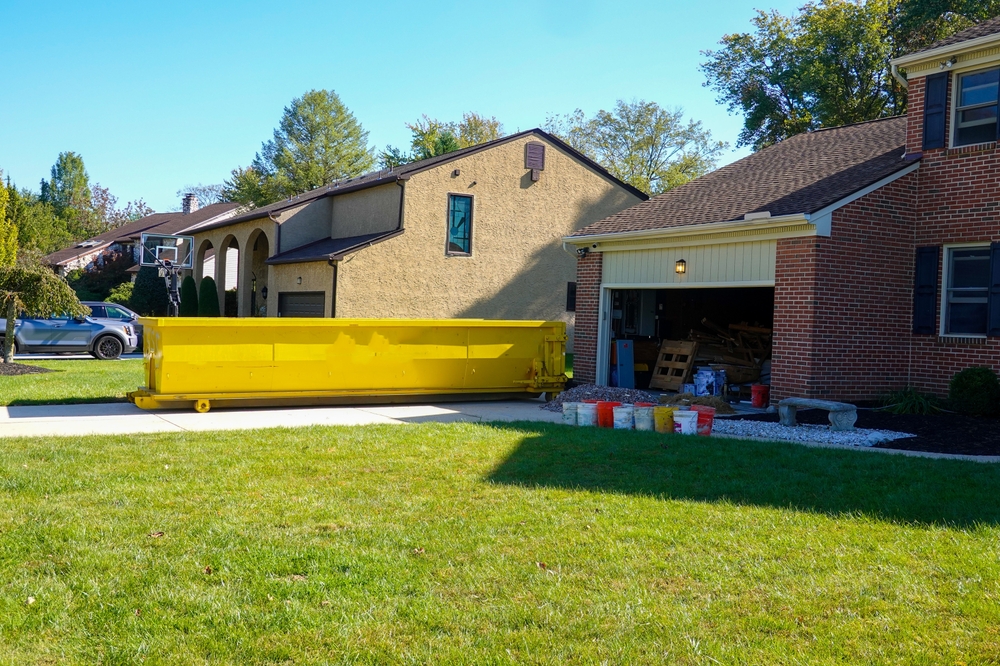
Do you feel like a mountain of junk has buried you? You are not alone. You may be facing a large project, such as a comprehensive cleanout or a home renovation, and you are aware that your typical residential garbage collection cans are insufficient. At that moment, you consider renting a dumpster, but then you start to have doubts.
The rental process is actually fairly straightforward, despite the fact that it may seem like a complicated step. Knowing the fundamentals is essential when it comes time to organize your life. Dumpster rentals are meant to be simple for both contractors and homeowners.
All you need is a clear manual to help you navigate it. Our team can walk you through the entire process of renting a dumpster. Simple advice to make your project easier, without any complicated jargon.
First Things First: Why Even Rent a Dumpster?
Whether your project is large enough for a roll-off dumpster may be on your mind. Generally speaking, it’s a good idea if you have more waste than a pickup truck can hold comfortably. Consider doing extensive spring cleaning or, after years of accumulation, finally cleaning out the garage.
For waste from home renovations, a residential dumpster rental is ideal. Regular trash collection services are unable to handle the amount of waste generated when old carpet, drywall, or kitchen cabinets are torn out. It’s also invaluable for large landscaping tasks like raking out brush, removing old sod, or cleaning up after tree trimming.
A commercial dumpster is necessary for businesses to manage waste effectively. Commercial dumpster rentals are a useful solution for anything from a retail store with extra packaging to a construction site producing debris. It makes waste management easier while maintaining the cleanliness and security of your site. For large cleanouts or remodeling projects, choosing a trusted provider for dumpster rentals in Roswell, GA, makes the process fast, affordable, and hassle-free.
Step 1: Picking the Right Dumpster Size
When people look into how renting a dumpster works, this is most likely the most important question they have. It can be expensive to select the incorrect dumpster size. You may need to rent a second one if your first one is too small, which would double your expenses and inconvenience.
Cubic yards, a common unit of volume used to discuss how much a dumpster can hold, are used to measure them. We offer dumpster rental sizes of 10, 15, 20, and 30 yards. Every size works well for a variety of projects.
For smaller projects, a 10-yard dumpster works well. Consider a small bathroom makeover, clearing out a single room, or getting rid of yard debris. With a typical length of 12 feet, it is small enough to fit in most driveways without being noticeable.
A 15-yard dumpster is the ideal compromise between the larger 20-yard and smaller 10-yard options. It can hold the equivalent of six pickup truck loads of debris and is normally around 14 feet long. It doesn’t take up a lot of driveway space and is large enough to give you more space.
For good reason, a 20-yard dumpster is the most widely used size. It is adaptable and appropriate for larger tasks like remodeling a kitchen, organizing a large garage, or shingle removal from small to medium-sized homes. Despite not being enormous, it has a surprisingly large capacity.
Then there are the bigger roll-off dumpsters. For large-scale commercial waste, extensive construction, or a complete house cleanout, a 30-yard dumpster is ideal. These are necessary for large-scale home additions, demolition projects, and waste management for national accounts with numerous project locations.
Here’s a simple way to picture it:
| Dumpster Size | Holds About… | Good For… |
| 10 Yard | 4 Pickup Truck Loads | Small Bathroom Remodel, Attic Cleanout, Yard Waste |
| 15 Yard | 6 Pickup Truck Loads | Basement Cleanouts, Debris Removal from Renovations |
| 20 Yard | 9 Pickup Truck Loads | Kitchen Renovation, Deck Removal, Roofing Materials |
| 30 Yard | 15 Pickup Truck Loads | Large Home Addition, New Construction, Major Cleanouts |
Here’s some useful advice: it’s usually better to choose the larger size when you’re unsure between two. You avoid the possible hassle and expense of running out of space, and the cost difference is typically minimal. Later on, you are going to thank yourself.
Step 2: Getting Quotes and Understanding the Price
Nobody enjoys unexpected costs, so a business that provides clear pricing is a fantastic partner. Let’s discuss the costs associated with renting a dumpster. Research is beneficial, and putting your quotes in writing helps prevent future misunderstandings. Many homeowners compare local providers, and options like Milton dumpster rentals from Speedy Dumps, Inc. are popular for their clear pricing and reliable service.
What’s Included in the Price?
A few essentials should be covered by your flat rate. This covers both the timely delivery of the dumpster to your site and the dumpster pickup after you’re finished. Additionally, it covers taxes and disposal fees up to a predetermined weight limit.
One important aspect is the weight limit. The maximum weight that each size dumpster can support is stated in the price you pay up front. To prevent additional expenses, you must be aware of your limit because your dumpster will be taken to a landfill or transfer station to be weighed.
How Does Renting a Dumpster Work With Ordering?
It’s simple to place your order after selecting a size. Prepare your contact details and delivery address if you plan to place your order online or over the phone. They’ll need to know the precise location of the dumpster on the property. Choose a location that will work well for your workflow and be accessible to a big truck.
Additionally, you will need to confirm the kind of debris you intend to discard. This is significant because certain materials, such as dirt or concrete, are heavy and may call for a particular kind of dumpster. This affects the way the materials are handled at the central recycling facility and transfer station as well.
Step 3: Delivery Day and Placement
Your roll-off dumpster will be delivered by a big truck on the appointed day. Make sure the space you selected for placement is totally clear before they arrive. Any vehicles, machinery, or other obstacles in your path will need to be moved.
For the driver to back in and carefully unload the container, there should be plenty of room. A standard residential dumpster can be up to 22 feet long and 8 feet wide, but the delivery truck requires more space to move around safely. It’s also a good idea to check for any power lines or low-hanging tree branches that might obstruct the placement.
Protecting your driveway is an important consideration. Both the trucks and the dumpsters are very heavy, even when they are empty. To keep your concrete or asphalt surface from getting scraped, scratched, or cracked, place plywood or thick boards down where the dumpster will be placed.
What About a Permit?
Does renting a dumpster require a permit? Your placement plans will determine the answer. You typically don’t need a permit if you can park the dumpster entirely on your own private property, such as your driveway or yard.
However, you will most likely require a permit from the public works department of your city or town if you must place it on a public street, sidewalk, or alley. Although you are ultimately in charge of getting the permit, your dumpster rental company can frequently offer advice on this. Check the website of your local government in advance because failure to do so may result in fines.
Step 4: Filling It Up the Right Way
Now that you have the dumpster, the actual work begins. However, there are two ways to load it: correctly and incorrectly. By adhering to best practices, you can make the most of your available space while maintaining everyone’s safety.
The Dos: Loading Your Dumpster Correctly
Start by distributing the heavier items as evenly as you can, starting at the bottom of the dumpster. The dumpster may become unstable if everything is piled up on one side. To stay within the weight restrictions, only fill the dumpster halfway with extremely heavy debris, such as concrete.
Whenever possible, break up large objects. When items like drywall, cardboard boxes, and old furniture are broken up or flattened, they take up a lot less room. You can get the most out of your rental and fit a lot more stuff in, even though it might feel like more work.
Above all, avoid filling the dumpster over the top edge. The fill line on each dumpster is clearly marked. Junk that protrudes over the sides makes it impossible for the driver to securely cover the top with a tarp for transportation.
The Don’ts: What Can’t Go in the Dumpster
You cannot simply put any item in a dumpster. Strict regulations are in place for environmental and safety reasons. It is forbidden to bring in prohibited items, and attempting to do so could result in heavy fines from the local government and the rental company.
Across all service areas, the list of prohibited materials is comparatively uniform. Hazardous materials are the primary things to stay away from. This includes things like paint, chemicals, and pesticides, per EPA guidelines.
Here is a list of common items you can’t put in a dumpster:
- Tires
- Car Batteries
- Wet Paint and Solvents
- Asbestos
- Electronics (e-waste)
- Appliances with Freon (like refrigerators and AC units)
- Oils and Fuels
- Medical Waste
You’ll need to locate a specialized facility that can handle these items if you have any. Information on appropriate disposal techniques can be obtained from your local waste management authority. Make sure to inquire as some businesses also provide recycling services for particular materials.
Step 5: The Grand Finale – Dumpster Pickup
You simply give the rental company a call to arrange for the pickup once you’ve filled your dumpster. On the scheduled date, they will come pick it up. Just like the delivery, this last step is easy. As with delivery, make sure the space surrounding the dumpster is unobstructed. To safely hook the container, back up their truck, and load it onto the truck bed, the driver will need a lot of room. Make sure that no vehicles are obstructing your driveway or the street.
Your work is finished. The business transports your garbage to the appropriate disposal sites. This frequently involves a stop at a transfer station, where, if feasible, materials are sorted for recycling. The result is a tidy, clutter-free room and the satisfaction that comes from a job well done.
Key Takeaways for Your Next Project
You see? Renting a dumpster isn’t that difficult. The system is fairly simple and easy to use when you break it down. You determine the size of dumpster you require, receive an upfront quote free of any additional costs, set aside space for it, fill it correctly, and have it removed.
Large projects are easier to handle when you rent a dumpster. It helps you maintain a safe and orderly workspace and saves you numerous trips to the dump. One of the main reasons so many people use dumpster rentals for their projects is the convenience they provide.
You can now confidently take on that project because you know how renting a dumpster works. You have the know-how to complete any task effectively, whether you’re a business owner overseeing a construction site or a homeowner beginning a renovation. Don’t hesitate to reach out to Speedy Dumps, Inc. if you have any questions for your next project or cleanup.