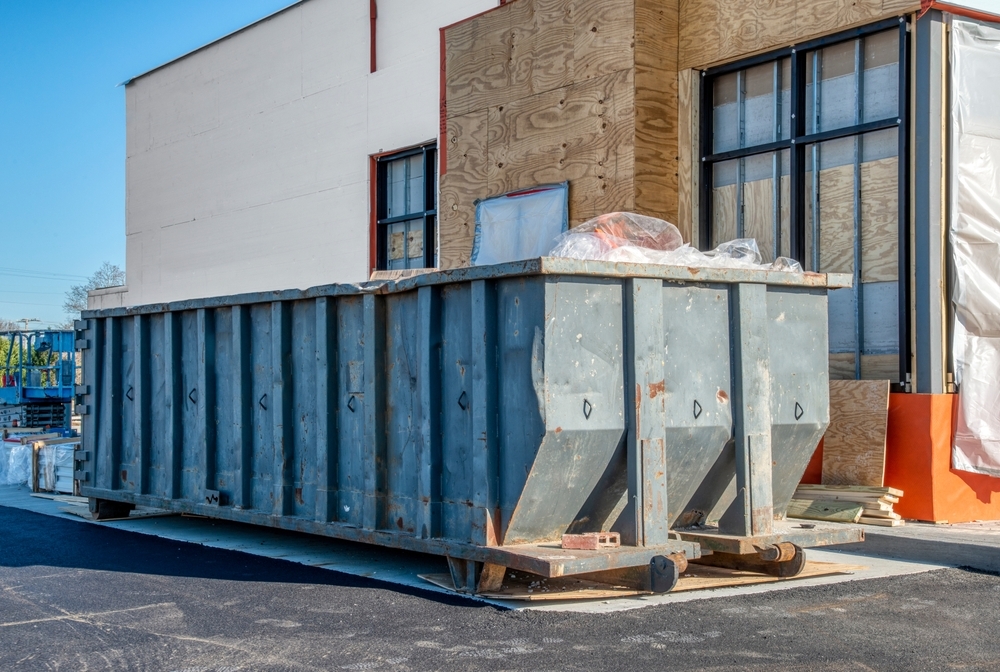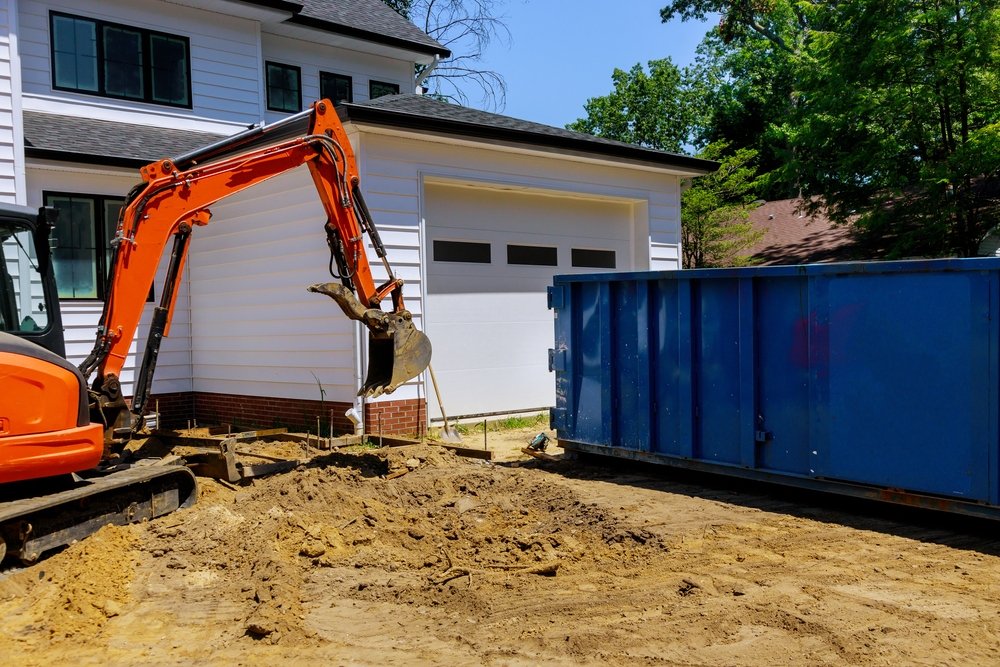
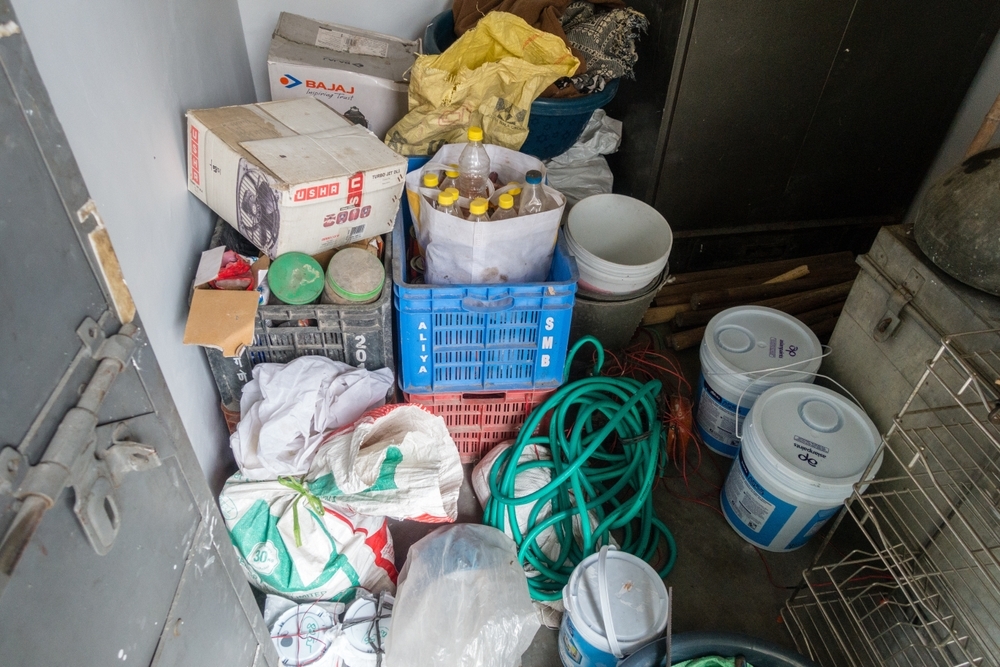
If you use your basement for storage, there could be many objects to dispose of. Although most items are safe to put in one of our 10-yard dumpsters in Roswell, there are a few items you can’t put in them. The Speedy Dumps, Inc. team can help you sort out what can go in the dumpster and provide large dumpsters to simplify your basement cleanout.
What Basement Garbage Can I Put in My Rental Dumpster?
When you invest in a residential dumpster rental in Alpharetta, it can greatly simplify the cleaning process. We suggest you organize items for disposal into various categories to keep the process organized.
There’s plenty of room in one of our 10-yard dumpsters, however, regulations limit what you can place on them. Here are some items you can pitch into the dumpster without concern.
Household Items
Many people store spare furniture and appliances in their basement. You can throw most of these items away in the dumpster. Old carpeting, debris, dishes, and personal items are also permitted. You can also throw toasters, blenders, and small appliances in with the rest.
Construction Debris
If you have recently remodeled, you may have drywall, old carpeting, roofing materials, bricks, and insulation in your basement. The good news is that you can dispose of these items in your rented dumpster. Remember that there are weight limits to keep in mind so you don’t pay extra money for large loads.
Yard Waste
If you have recently cleaned up the yard, your basement may contain leaves, grass clippings, and branches. These are permitted in residential rental dumpsters. So, schedule a dumpster drop-off if you plan to clean up the backyard.
Metal, Paper, and Cardboard
Do you still have stacks of magazines or cardboard boxes in your basement? You can throw books and cardboard items in your dumpster. Aluminum, copper, iron, and steel items are also allowed, making it easy to clean up after a construction project without making multiple trips to the dump. As a bonus, many of these items are recycled, so you’re helping the planet as well as reclaiming space in your home.
Glass, Plastic, and Textiles
Broken toys and household items often find their way to the basement. You can throw glass, including broken glass, plastics, and textiles, directly into the dumpster. We do ask that you properly contain these items to prevent injury to yourself or one of our team members.
Plastic containers and packaging materials are great materials to add since they’re recyclable. If you can’t donate clothes, linens, and other textiles, toss them into your rental residential dumpster.
Items Not Permitted in Dumpsters
You can throw some liquids in the dumpster. However, avoid throwing paints and adhesives into the dumpster. They stick to other items, making it hard for sanitation workers to handle them.
Here are a few other items that you won’t be able to throw into one of our residential rental dumpsters:
- Refrigerants (which contain harmful chemicals)
- Tires (cause damage to landfill vehicles)
- Potentially hazardous materials
- Medical waste, such as used bandages, syringes, and needles that may contain infectious materials
- Car batteries that contain acid that may leak into groundwater
- Water and fuel tanks, such as hot water and oil tanks may emit dangerous chemicals
Planning Your Basement Cleanout Project
Before you start tossing items into your dumpster, take time to create a solid plan. Walk through your basement and make a list of everything you need to remove. This step helps you estimate how much space you’ll need and prevents you from renting a dumpster that’s too small or too large for your project.
Consider setting aside a weekend for the job. Basement cleanouts often take longer than expected, especially if you’ve been storing items for years. Having extra time means you won’t feel rushed and can make better decisions about what to keep and what to throw away.
Creating Sorting Stations
Set up different areas in your basement for items you plan to keep, donate, recycle, and throw away. This system keeps you organized and speeds up the entire process. You might use colored bins or simply designate different corners of the room for each category.
Essential supplies for your sorting stations:
- Large plastic bins or cardboard boxes for each category
- Trash bags for smaller items and loose debris
- Labels or markers to identify different sorting areas
- Cleaning supplies like brooms, dustpans, and rags
- Work gloves to protect your hands
- Flashlight or portable work light for dark corners
As you sort, be honest with yourself about what you actually need. If you haven’t used something in over a year, you probably don’t need it. This mindset will help you clear out more space and make your basement truly functional again.
Understanding Dumpster Weight Limits
Weight limits exist for good reasons. Overloaded dumpsters can damage driveways, pose safety risks during transport, and violate local regulations. Most 10-yard dumpsters can handle between 2-3 tons of material, but the exact limit depends on what you’re throwing away.
Heavy materials like concrete, dirt, and bricks add up quickly. If you’re disposing of these items, you might want to rent a separate dumpster just for heavy debris. This approach helps you avoid overage charges and keeps your project running smoothly. If you’re working on a lighter cleanup or renovation project, choosing a small dumpster in Forsyth County can help you stay within weight limits while avoiding unnecessary overage fees.
Tips for Managing Weight
Distribute weight evenly throughout the dumpster. Don’t pile all heavy items on one side, as this can make the dumpster unstable during pickup. Mix lighter materials with heavier ones when possible.
Items that add significant weight:
- Concrete blocks and broken pavement
- Old exercise equipment and weight sets
- Soil and sand
- Stone and brick materials
- Cast iron fixtures and pipes
- Ceramic tiles and bathroom fixtures
Break down large items before throwing them in. This practice not only saves space but also helps distribute weight more evenly. For example, disassemble old furniture instead of tossing it in whole.
What to Do With Items You Can’t Dump
Just because you can’t put certain items in your dumpster doesn’t mean you’re stuck with them. Many communities offer special collection days for hazardous materials like paint, chemicals, and electronics. Check with your local waste management department to find out when these events occur.
Alternative Disposal Methods
Electronics often contain valuable materials that can be recycled. Many retailers and manufacturers offer take-back programs for old devices. Some even provide incentives like discounts on new purchases when you recycle your old equipment.
Common hazardous items and where to dispose of them:
- Paint and solvents: Household hazardous waste facilities
- Electronics: Retailer take-back programs or e-waste centers
- Fluorescent bulb: Hardware stores or special collection events
- Propane tanks: Tank exchange locations or scrap metal facilities
- Motor oil: Auto parts stores or quick lube shops
- Pesticides and herbicide: Hazardous waste collection days
For items like tires and batteries, auto parts stores typically accept them for free. They have the proper facilities to dispose of these materials safely and legally. Call ahead to confirm they accept the specific items you need to get rid of.
Maximizing Your Dumpster Space
Smart loading makes a huge difference in how much you can fit. Start by placing flat items along the bottom and sides of the dumpster. This creates a stable base and uses space more efficiently than random tossing.
Break down boxes and flatten cardboard before putting them in the dumpster. Collapsed boxes take up significantly less room than intact ones. The same goes for furniture – remove legs from tables and take apart bed frames when possible.
Loading Strategy
Fill gaps with smaller items. Those odd spaces between large objects are perfect for bags of trash, small boxes, or loose debris. Think of it like playing Tetris – every bit of space counts.
Steps to maximize dumpster capacity:
- Load largest items first along the walls
- Break down all furniture into smaller pieces
- Flatten cardboard boxes and stack them flat
- Fill hollow items like drawers and cabinets with smaller objects
- Place bags of trash in gaps between larger items
- Stack similar-sized items together
- Save the lightest materials for the top layer
Place heavier items on the bottom and lighter materials on top. This arrangement keeps the load stable and makes it easier for workers to handle during pickup. It also prevents lighter items from getting crushed by heavier objects.
Dealing With Sentimental Items
Basements often become repositories for memory-laden belongings. Old photo albums, children’s artwork, and family heirlooms can make the cleanout process emotionally challenging. Give yourself permission to keep truly meaningful items while being realistic about what you can store.
Consider digitizing photos and documents. Scanning these items preserves the memories while freeing up physical space. You can create digital albums that are easy to share with family members and won’t deteriorate over time.
Decision-Making Framework
Ask yourself three questions about each sentimental item: Does it bring me joy? Would I miss it if it were gone? Do I have space to store it properly? If you answer no to any of these questions, it might be time to let the item go.
Questions to ask about sentimental items:
- When was the last time I looked at this?
- Does this item represent a memory I treasure?
- Would I display this in my home?
- Could I take a photo instead of keeping the physical item?
- Would another family member appreciate having this?
- Is this item in good enough condition to keep long-term?
Take photos of items before disposing of them. This creates a visual record of your possessions without the storage burden. You can look back at these photos whenever you want to remember these objects.
Safety Considerations During Your Cleanout
Basements can harbor mold, dust, and other allergens that affect your health. Wear a mask, especially if you’re dealing with old boxes or items that have been stored for years. Gloves protect your hands from sharp objects and potentially contaminated surfaces.
Make sure your basement is well-ventilated while you work. Open windows and doors, or use fans to circulate fresh air. Good airflow reduces your exposure to dust and makes the environment more comfortable.
Preventing Injuries
Lift with your legs, not your back. Bend at the knees and keep the item close to your body when lifting. If something feels too heavy, get help or use a dolly to move it. Back injuries can sideline you for weeks, so it’s worth taking extra precautions.
Safety gear you should wear:
- Dust mask or respirator for protection from mold and dust
- Sturdy work gloves to prevent cuts and scrapes
- Closed-toe boots or shoes with good traction
- Safety glasses when breaking down items
- Long pants and long sleeves to protect the skin
- Knee pads if you’ll be kneeling frequently
Watch for hazards like exposed nails, broken glass, and unstable piles of items. Clear pathways as you go so you don’t trip over debris. Keep a first aid kit handy in case minor injuries occur.
Contact a Dumpster Rental Company in Roswell
Spring and fall are popular times for major cleanout projects. The weather is mild, making it comfortable to work for extended periods. However, these seasons also see high demand for dumpster rentals, so book early to secure your preferred dates.
Best times to schedule your basement cleanout:
- Early spring before the busy season starts
- Late fall after summer projects wrap up
- Mid-week days for better dumpster availability
- Long holiday weekends for extra work time
- When you have help available from friends or family
Consider off-peak times if you want better availability and potentially lower rates. Winter cleanouts work well if your basement is heated and accessible. Summer can be productive too, though working in a hot basement requires frequent breaks and plenty of water.
Are you looking for a straightforward rental dumpster? Contact Speedy Dumps today to learn more about dumpster sizes and costs. We would help you simplify your basement cleanout!